
YouTube and video ads
that show your machines at work
Video ads on YouTube and LinkedIn for engineers and buyers who just searched for your process.
Measured by cost per inquiry, not by views. No video runs without your approval.

Your best ad footage is probably on a hard drive from the last trade show.
YouTube ads for B2B work when the targeting is narrow: I show your machine running to engineers and buyers who recently searched for that exact process.
- Audience: plant managers, process engineers and buyers, reached through their Google searches, topics and chosen channels
- Material: footage you already have from trade shows, factory acceptance tests and commissioning, cut for each format
- Measured by: inquiries and sales conversations, including the ones that arrive weeks later through search
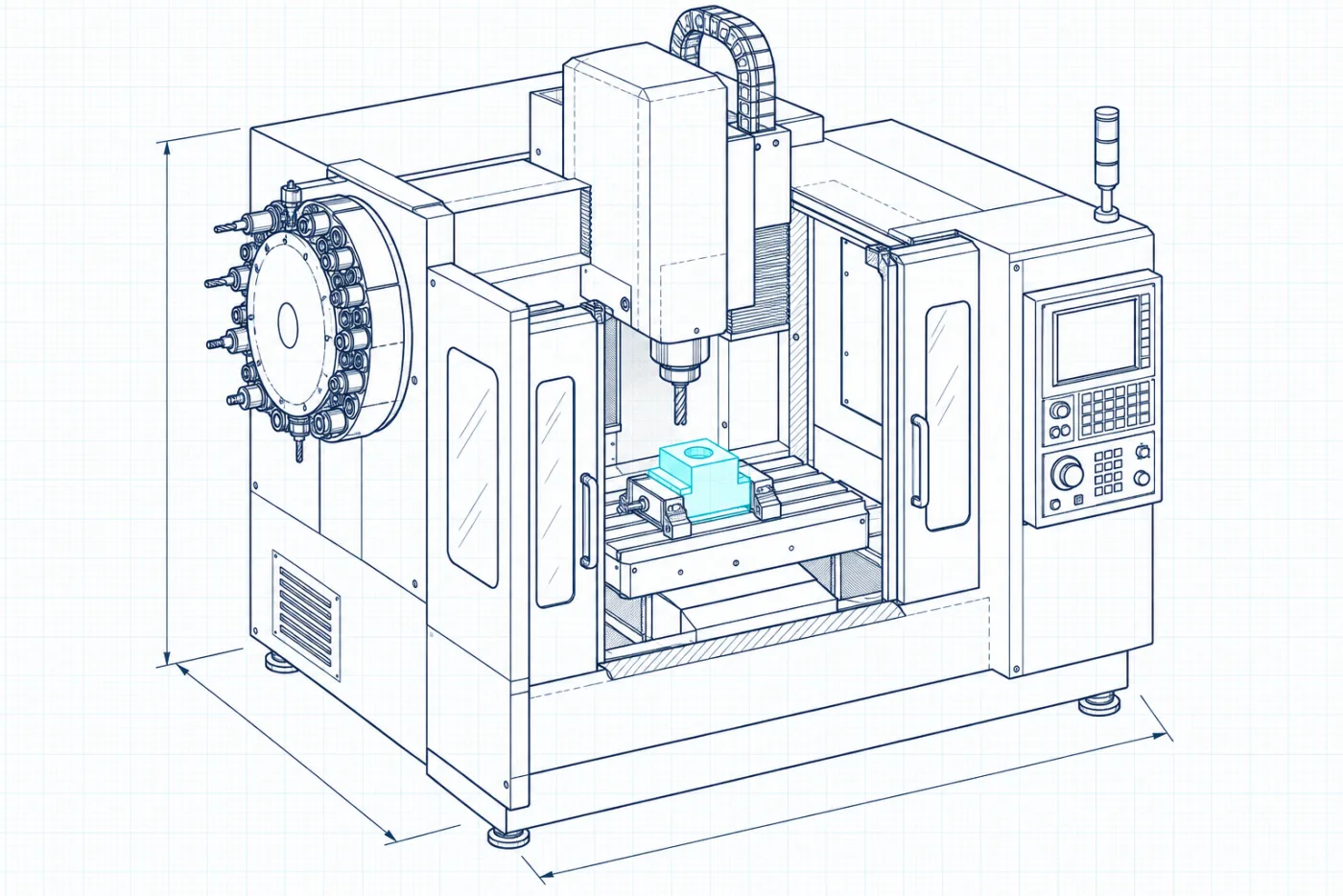
Is YouTube good for B2B marketing?
Yes, for products that are hard to describe and easy to show. A conveyor running at full load, a liner after a year of abrasion, a dosing unit hitting its tolerance: thirty seconds of footage tell a maintenance manager more than a four-page brochure.
YouTube belongs to Google, and YouTube ads are booked in Google Ads. That is the part most manufacturers underestimate. Google knows what people searched for last week, so a video about bulk bag discharging can reach the engineer who typed "bulk bag unloader with lump breaker" on Tuesday. On YouTube, technical people also search deliberately when they want to understand how something works. In that moment your video is an answer, not an interruption.
I have watched this on my own platform for years. PowderBulkVideos.com, the industry portal for powder and bulk solids that I run, carries 127 manufacturer videos and 130 company profiles from 19 countries. It exists because engineers in that field prefer to see a process before they ask about it.
YouTube ad formats
that suit technical products
Google offers more formats than an industrial campaign needs. A masthead on the YouTube home page reaches millions and is the wrong tool for a market of a few thousand buyers. These four do the work.
-
Skippable in-stream ads
Play before or during other videos and can be skipped after five seconds. You pay when someone watches longer or clicks.
-
In-feed video ads
Appear in YouTube search results and next to related videos. A click means the viewer chose your topic.
-
Bumper ads
Six seconds, not skippable. Useful as a reminder after someone has seen your longer video.
-
YouTube Shorts
Vertical, for phones. They need their own cut, not a cropped version of the landscape video.
How to target industrial buyers on YouTube
YouTube has no job title filter like LinkedIn. The precision comes from intent signals, and from what you exclude.
Custom segments from search terms
People who recently searched Google for your process, material or standard, such as "pneumatic conveying dense phase".
Chosen channels and videos
Your ad runs in front of trade channels, trade show reports and videos about related equipment.
Remarketing
Visitors of your website and viewers of your videos see the next step: a longer video or an inquiry form.
Customer lists
Existing contacts from your CRM, uploaded with consent, to reach the rest of a buying team.
Exclusions
Kids content, music, gaming and mobile app placements are switched off before the first dollar is spent.
The point
On YouTube you pay for the viewer who stays past five seconds. In industry, that is usually someone who has the problem you solve.
Industrial videos that work as ads
Not every video makes a good ad. In industrial video marketing, the formats that perform show something words cannot explain quickly. Most manufacturers already own this material and only need a new edit.
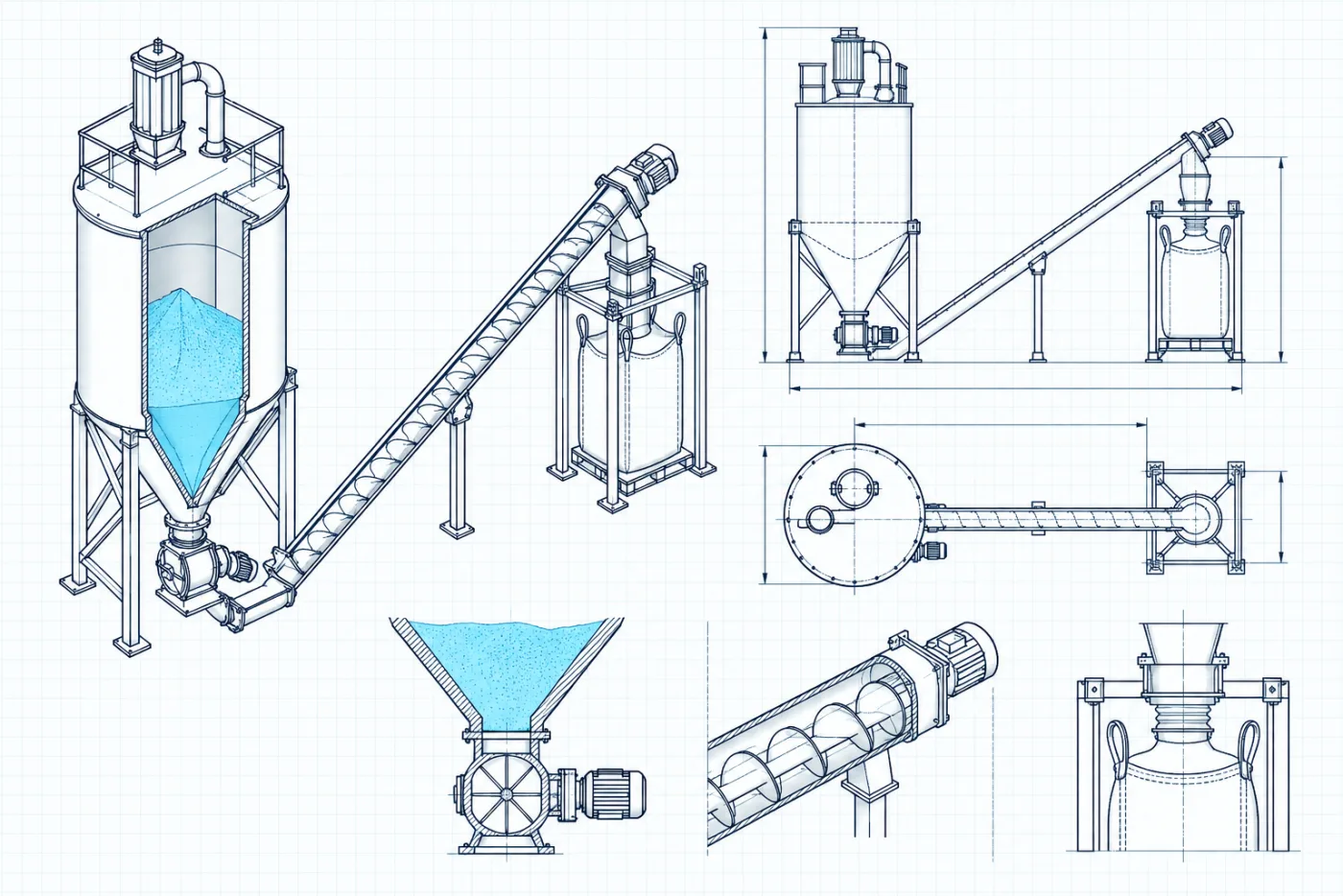
Product demo
Material goes in, the result comes out, understandable with the sound off.
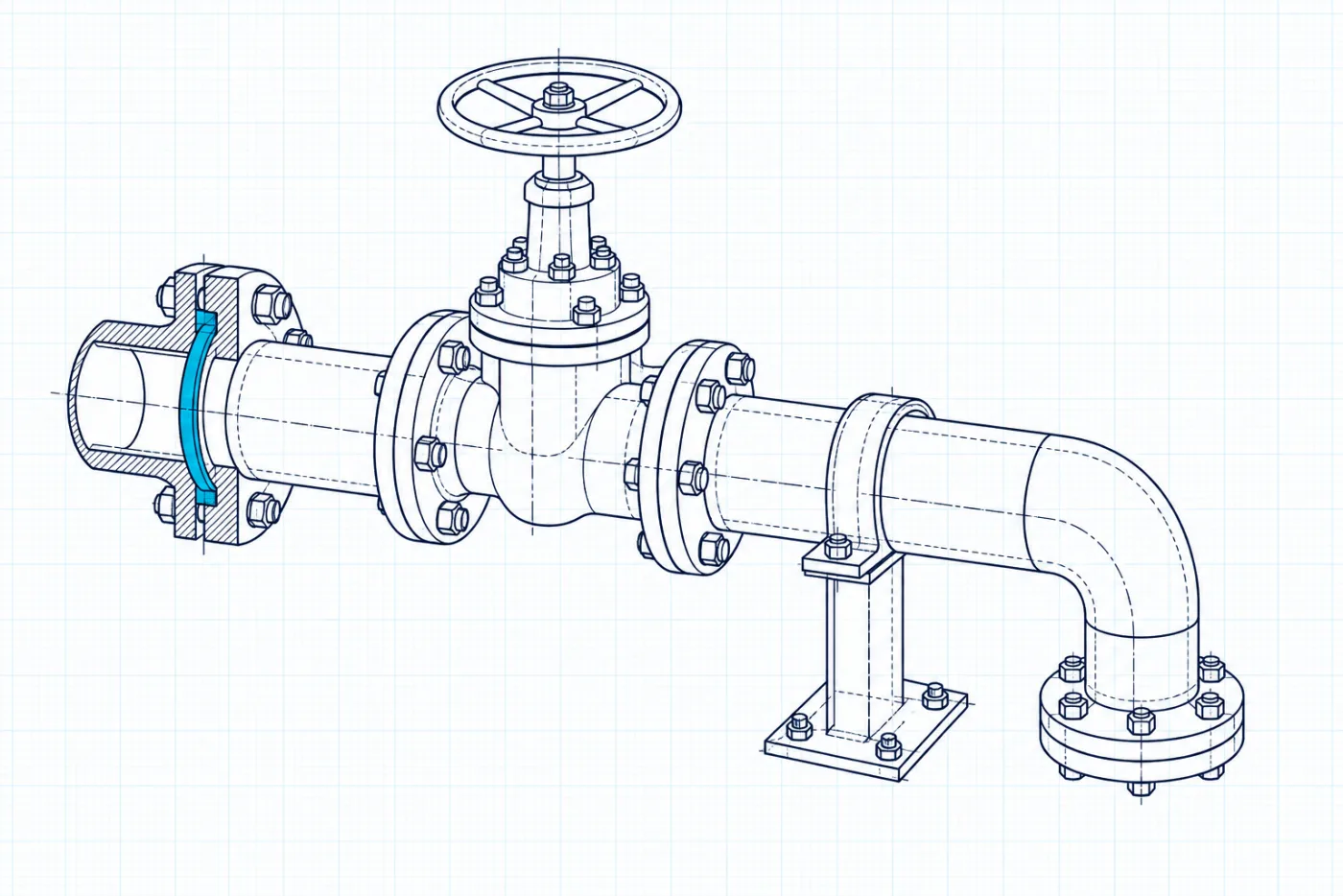
Process explainer
How a part is made or how a system works, in cutaway or close-up.
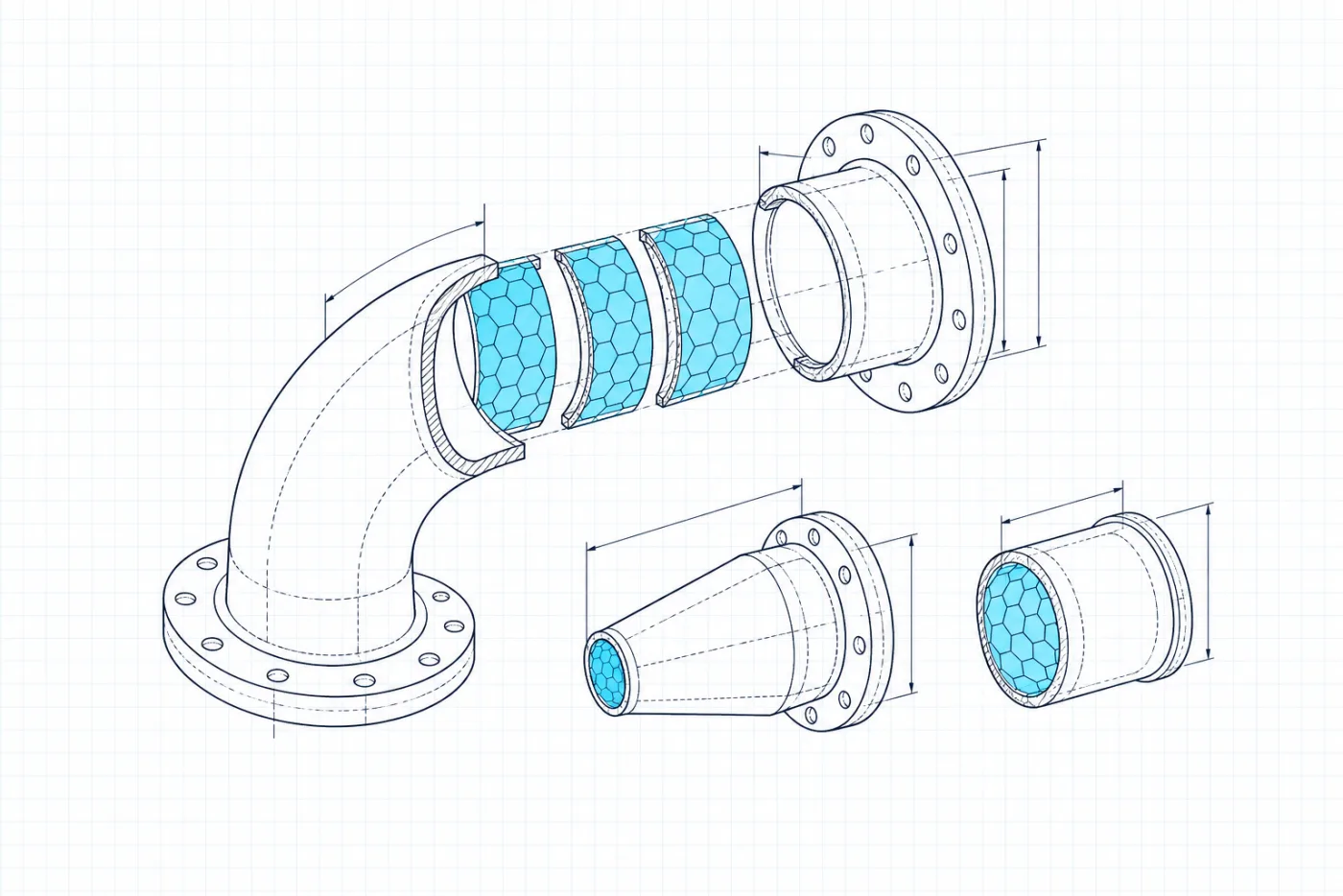
Before and after
A worn part next to its replacement, a line before and after the retrofit.
Plant tour
Shows capacity and quality control to a buyer qualifying a new supplier.

Engineer on camera
One of your application engineers answers a common customer question in thirty seconds.
Best practices for B2B video ads
What separates a video ad that brings inquiries from one that only collects views is rarely the budget.
The first five seconds
Start with the problem or the result the viewer recognizes. The company logo and the building can wait.
One message per video
One application, one benefit, one next step. A video that tries to show the whole product range shows nothing.
Production value
Clean sound and steady footage matter. Engineers forgive a phone camera far sooner than a vague claim.
Length by placement
Short in feeds, longer on YouTube search, where people came to learn. The core message stays in the opening seconds.
Industrial video marketing and paid video ads
Industrial video marketing is the umbrella: product videos, plant tours, training clips, trade show footage and a YouTube channel. Video ads are the paid part of it. The difference decides who sees your video and how you judge it.
Video marketing
- Published on your channel, website and in sales emails
- Seen by people who already know you
- Judged by views and watch time
- Works over years as a library
Video ads
- Shown to an audience you choose and pay for
- Reach buyers who have never heard of you
- Judged by inquiries and sales conversations
- Run in campaigns you can stop, change and scale
What YouTube ads cost
Two items, always separate: the ad budget, which you pay directly to Google, and my fixed fee for planning, editing the versions, running the campaign and reporting. If new footage is needed, production comes on top.
- Billing: For skippable in-stream ads, Google counts a paid view once someone watches 30 seconds, watches a shorter ad to the end, or clicks.
- Price per view: Depends on audience, format and competition. A narrow technical audience costs more per view and wastes far less.
- Production: A shoot with crew and narrator is a different budget from recutting footage you already own. I almost always start with the second.
The number that matters is not the price of a view. It is the cost of an inquiry that started with your video.
How a video campaign runs with me
Four steps from raw footage to inquiries.
- 1
Review the material
I go through what you have and pick the one message each video carries. Result: a short list of clips and the edit plan.
- 2
Build the audience
Search terms, channels and remarketing lists that match your buyers, with the exclusions in place. Result: an audience you can read and question.
- 3
Launch with approval
You see every video, the targeting and the budget before anything runs. Result: a campaign that starts only after your yes.
- 4
Measure and adjust
Every week you see who watched past the first seconds, who visited your site and who sent an inquiry. Result: weak versions replaced, strong ones get more budget.
How video ads turn into inquiries
Few people send an inquiry straight from a video. The usual path is longer: an engineer watches your demo, searches your company name two weeks later and then fills in your form. Counting only direct clicks makes YouTube look worse than it is.
- Direct inquiries: from viewers who click through to your landing page
- Branded search: how searches for your name and product grow while the videos run
- Remarketing: viewers who watched half the video get a search ad or form next, through Google Ads for manufacturers
- Sales conversations: inquiries are prequalified before your sales team calls
What it costs
A fixed price for the launch phase, then cancel monthly. Your ad budget goes straight to the platform, not to me.
- Three-month launch phase: €4,990 flat
- Payment: €1,990 at the start, then two payments of €1,500
- One offer on up to two platforms
- Ad copy, images, landing page and lead magnet
- Retargeting from day one
- Prequalification of inquiries, up to 300 conversations a month
- Ongoing optimization, monthly report
- Each additional platform €290 a month
- After that €1,190 a month, cancel monthly
- Ad budget extra, from €600 a month
A case from practice
A US manufacturer of technical ceramics, a search market of 320 searches a month, July to October 2026.
What would this look like in your market? Let's find out in a short call.
Questions about YouTube ads for B2B
How much does a 30-second YouTube ad cost?
There is no list price. You bid in an auction, and the price moves with your audience, the format and how many others bid for the same viewers. For a skippable ad you only pay when someone watches 30 seconds or clicks.
How long should an industrial video ad be?
As short as the message allows. For skippable ads, 30 to 60 seconds is usually enough, with the key point in the first five.
Do we need a YouTube channel?
Yes, the videos have to be uploaded to one. It does not need regular posts, though keeping good videos visible there helps.
What should we never show on video?
Proprietary process details, customer parts under NDA, and anything a safety officer would object to. I check each cut for this with you.
Does YouTube work for a small, specialized audience?
Yes, if the targeting is tight. You reach fewer people, the right ones, and pay only for those who watch.
Video in the mix
Video creates interest; a page with a clear inquiry path turns it into conversations. The same buyers can be reached in their feed with LinkedIn ads for industrial audiences and on Facebook and Instagram through Meta ads. Where the click lands matters as much: see landing pages built for inquiries. How all of this fits together is explained under industrial marketing, and every channel is listed in the services overview.

What footage is already on your hard drive?
In a short intro call we look at it together, and I tell you whether YouTube makes sense for you.