
Marketing for engineering companies:
on the list before the tender
I bring plant builders to operators, engineering firms and buyers early, so your name is on the shortlist.
Projects run for months. I measure cost per sales conversation and check every inquiry before it reaches your team.

Show up only at the tender and you negotiate only on price.
Marketing for engineering companies gets you in front of plant operators, engineering firms and buyers while they compare concepts and shortlist suppliers, long before the tender.
- Who you reach: process engineering, project management and purchasing, selected on LinkedIn by role and target account
- Search and pages: ads on technical problems, reference plants with data and honest operating limits
- Measured on: qualified inquiries and sales conversations, with the work done by me
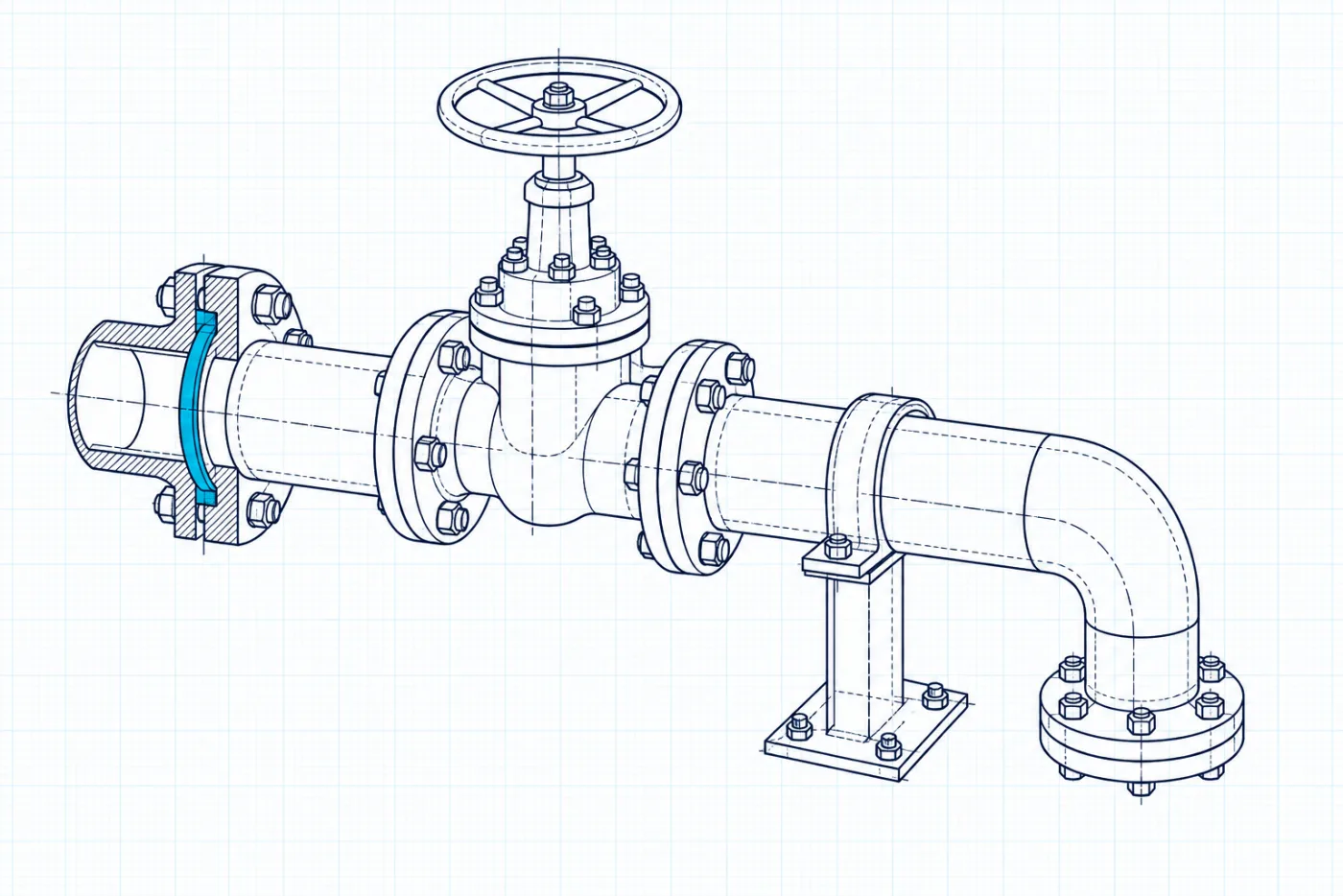
Where plant engineering stands
For 2025, the VDMA Large Industrial Plant Manufacturers' Group reports order intake of 24.7 billion euros for its German members. Of that, 20.7 billion came from abroad, which lifted the export share to 84 percent. Domestic orders fell by 34 percent to 3.9 billion euros.
The association sees a split picture: power plants and transmission projects grew, while chemical plants, steel mills and cement works saw clearly weaker demand. For your marketing, the customers increasingly sit abroad, in the US, the UK, Poland or Sweden, and in other industries than five years ago.
Why referrals are no longer enough
Most engineering companies grew on referrals and relationships that go back decades. That works until something in the chain changes.
- People retire: the plant manager who knew you for twenty years hands over to someone who has never heard your name
- Markets move: the next projects come from industries and countries where nobody knows you yet
- Specs come finished: the inquiry arrives as a tender, with the concept already set by someone else
- Research goes online: engineers check suppliers on the web and in AI assistants before they pick up the phone
Sales through contacts or through visibility?
Many plant builders live on a few projects a year and on people who have known each other for decades. That carries, as long as those people stay.
Today
- New projects come through familiar planners and general contractors
- The request arrives as a tender, specification already written
- The website shows image photos, but no plant in detail
- In a new target market nobody knows you
With me
- Operators and planners see your solution in the concept phase
- Inquiries come with process, capacity and schedule
- Reference plants stand on their own pages, with data
- Each foreign market gets ads in its own language
Where it gets decided
In plant engineering, the winner is often the supplier the planner already knew when he wrote the spec.
Channels that carry in plant engineering
A project has many people involved: operator, engineering, purchasing, often a general contractor or EPC firm in between. Each is reached differently, so I pick the channels by who tips the balance for you.
LinkedIn by role
Ads to process engineering, project management and purchasing at the companies you want to supply. LinkedIn ads in detail
Social selling
Your engineers show up in the planners' network with technical posts, long before an inquiry comes. Social selling for technical sales
Search by problem
Anyone who has to expand or retrofit a plant first searches for the process and only later for the supplier. Search ads on Google
Trade show with follow-up
Ads to visitors from your target industry before the show, and a follow-up sequence after it, so booth contacts don't end up in a spreadsheet.

Say what only you can do
Read ten websites of plant builders and you find the same three words: quality, experience, partnership. None of them helps a planner decide.
What helps is the one thing you do that others don't: a process you mastered for a difficult medium, a plant size nobody else builds, a commissioning record in a specific industry. I work that out with your project managers in the first weeks, because they know which argument won the last contract. It then goes into every ad, every reference page and every first line of a LinkedIn post. Your offer becomes easy to repeat, and a planner who can repeat it to his boss is halfway to putting you on the list.
What engineers
expect from you
Engineers distrust marketing language. They read your material the way they check a drawing: looking for the error.
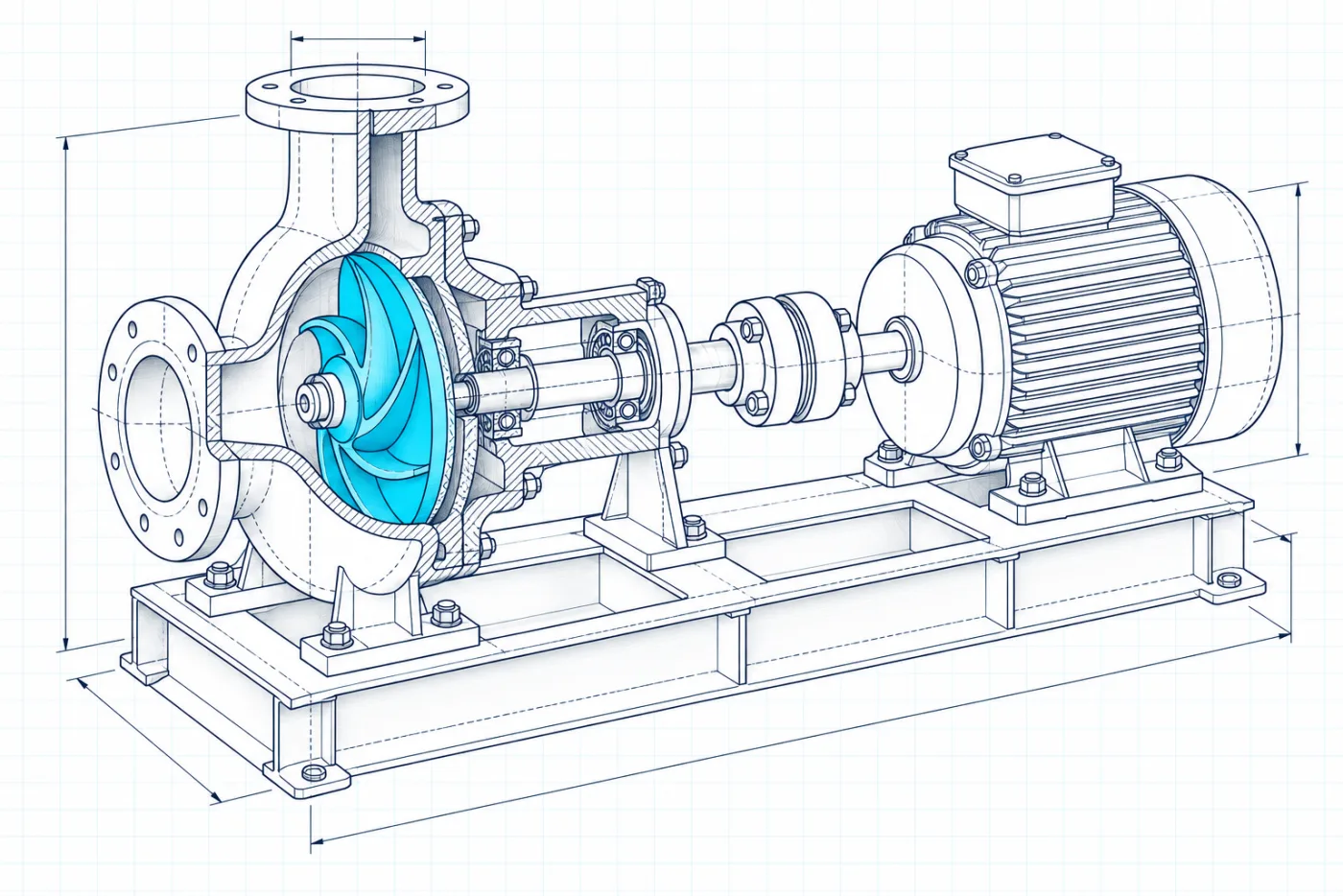
Reference plants with data
Process, capacity, medium, year of commissioning, as far as your customer allows. No glossy photo without numbers.

No spin
Say what your plant is not built for. A clear limit makes the rest of the page believable.

Technical depth
Don't simplify for engineers. Process diagrams, sizing logic and short videos from site beat any image brochure.

Found when an assistant is asked
Some engineers now put their first question to ChatGPT or Perplexity instead of Google. The answer names processes and sometimes suppliers. Missing there means missing from the first list.
Assistants quote pages that answer a question clearly: which process suits which medium, at what capacity, with what limits. One page per application, with data and an honest statement of what your plant is not designed for, does more for you there than any brochure. Landing pages that bring inquiries
How I work with engineering companies
Five steps. Your sales and project teams are part of each one, and the method is the same industrial marketing I use across all industries.
- 1
The intro call
Which plants you sell, into which industries and countries, and who tipped the balance in your last project. Afterward I tell you whether I can help.
- 2
Buyers and triggers
I write down which roles at which companies you want to reach and which event starts a project: capacity expansion, new regulation, a plant abroad.
- 3
References made visible
Your reference list becomes pages with process, output and time frame, as far as your customer approves.
- 4
Campaigns after approval
Nothing starts before you have seen ad, audience and budget.
- 5
The weekly report
Cost per inquiry and per sales conversation, split by country and channel. What doesn't carry, I replace.
Choosing outside help for marketing
When an engineering company hands marketing to someone outside, four questions sort out the fit quickly.
Measured on what: Ask for cost per qualified inquiry and per sales conversation. Website traffic and brand awareness are not a sales pipeline.
Who does the work: Find out whether the person you meet is the person who writes your ads. In my case it is: there is no handover to a junior.
Technical fluency: Check whether your partner can read a process diagram and ask the right question about it. Your engineers will notice within one call.
Fit with your capacity: More inquiries than your project team can quote helps nobody. The budget should match how many projects you can actually take on.
What it costs
A fixed price for the launch phase, then cancel monthly. Your ad budget goes straight to the platform, not to me.
- Three-month launch phase: €4,990 flat
- Payment: €1,990 at the start, then two payments of €1,500
- One offer on up to two platforms
- Ad copy, images, landing page and lead magnet
- Retargeting from day one
- Prequalification of inquiries, up to 300 conversations a month
- Ongoing optimization, monthly report
- Each additional platform €290 a month
- After that €1,190 a month, cancel monthly
- Ad budget extra, from €600 a month
A case from practice
A US manufacturer of technical ceramics, a search market of 320 searches a month, July to October 2026.
What would this look like in your market? Let's find out in a short call.
Questions from engineering companies
Is marketing worth it with only a few projects a year?
Yes, because every order is large. You don't need a hundred inquiries, you need the five right operators you didn't know last year. In the intro call we work out what one additional project is worth to you.
What about general contractors and EPC firms in between?
They belong in the target group. The operator often has a say in the supplier even if the order runs through the general contractor, so I address both with different ads.
Are engineers on social media?
Many are on LinkedIn, and they read more than they post. That is why ads by job function and technical posts from your own engineers reach them there.
How are fee and budget handled?
Separately. My fee is fixed, your ad budget goes directly to Google or LinkedIn and is set by you. After the first three months the contract can be cancelled monthly.
Do I need a marketing department for this?
No. Planning, ads, copy and reporting are on my desk. Your part is a briefing on plants and target customers, the go-ahead before launch, and a project team that answers inquiries.
We want projects in Europe. Can you help with that?
Yes, for the marketing part: search ads and LinkedIn per country, pages in the local language, prequalified inquiries. Legal, tax and setup questions belong with other advisers. Market entry in Europe

Let's talk about your next project
Tell me which plants you build and where your next customers are. In the intro call I'll tell you whether and how I can help.