
Technical ceramics marketing:
from material to application
Reach design engineers with a wear, heat or insulation problem through Google and LinkedIn.
Ceramics solve what metal can't. The engineer with the problem often doesn't know it yet.

Hardly any engineer searches for zirconia. He searches for his problem.
Technical ceramics marketing brings your materials to design engineers who have a wear, temperature or corrosion problem and are not yet thinking of ceramics.
- Application first: search ads that start at the technical problem, not the material name
- Who you reach: engineering and purchasing in your target industries, selected on LinkedIn by job function
- What sales gets: pages that show when ceramics fit and when they don't, and inquiries with drawing, medium and temperature
From a ceramics manufacturer in the US
A manufacturer of technical ceramics in North America has me run its Google Ads campaigns. From July to October 2026, about 6,550 dollars in ad spend brought 29 contacts, 25 of them through Google, and three open opportunities worth about 332,000 dollars with a proven ad click.
The search market was small: about 320 searches a month without brand names in the US. The first order came seven weeks after the first click. How every number was counted is in the technical ceramics case study.
What ceramics need
An engineer swaps metal for ceramics only after he has understood where the new material's limits are.
Where your
customers sit
Ceramic components go into many industries, and every field has different buyers. I build campaigns per field, not one for everything.
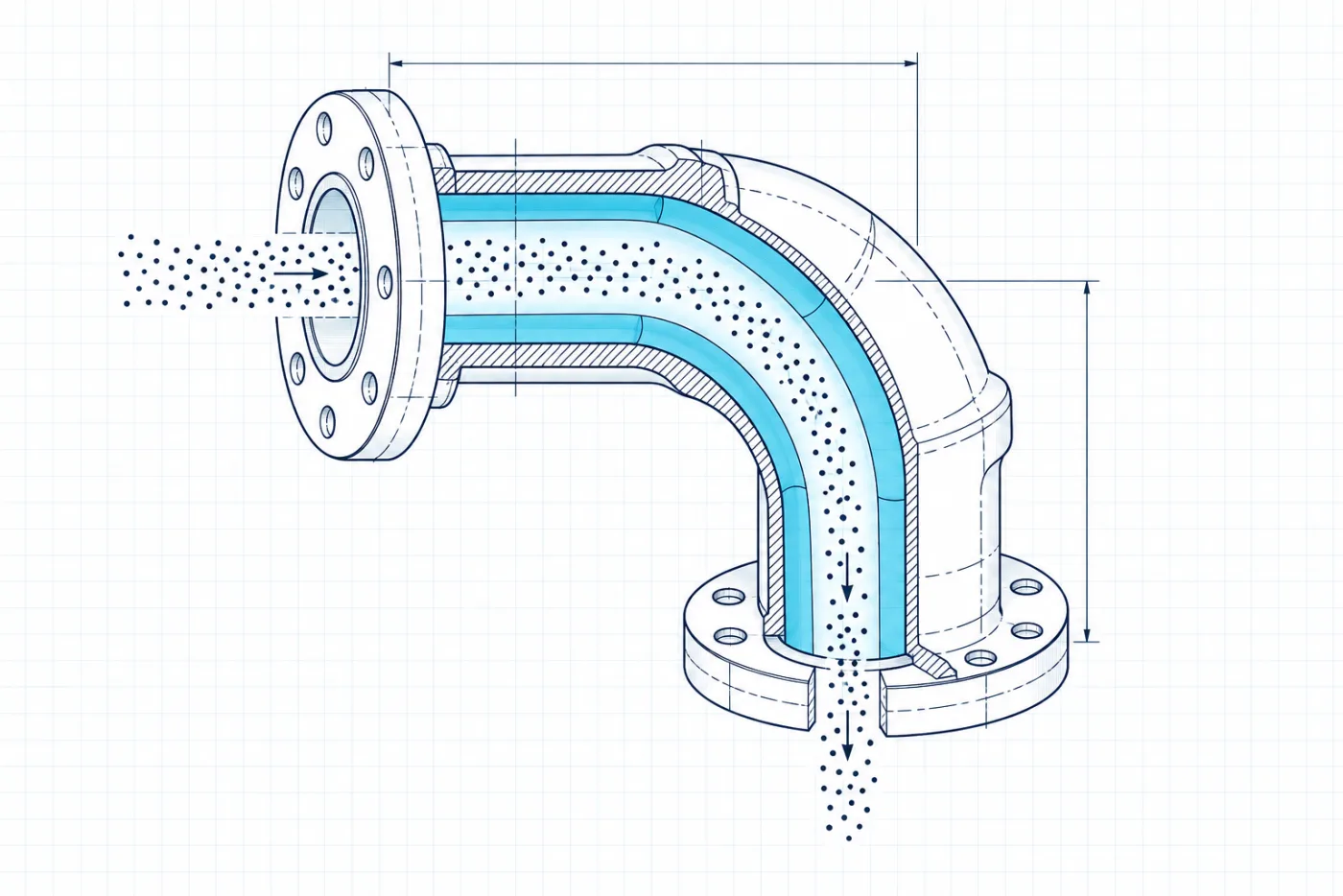
Machinery and plants
Seal rings, bearings, nozzles, guides, wear linings. The design engineer chooses, often through purchasing.
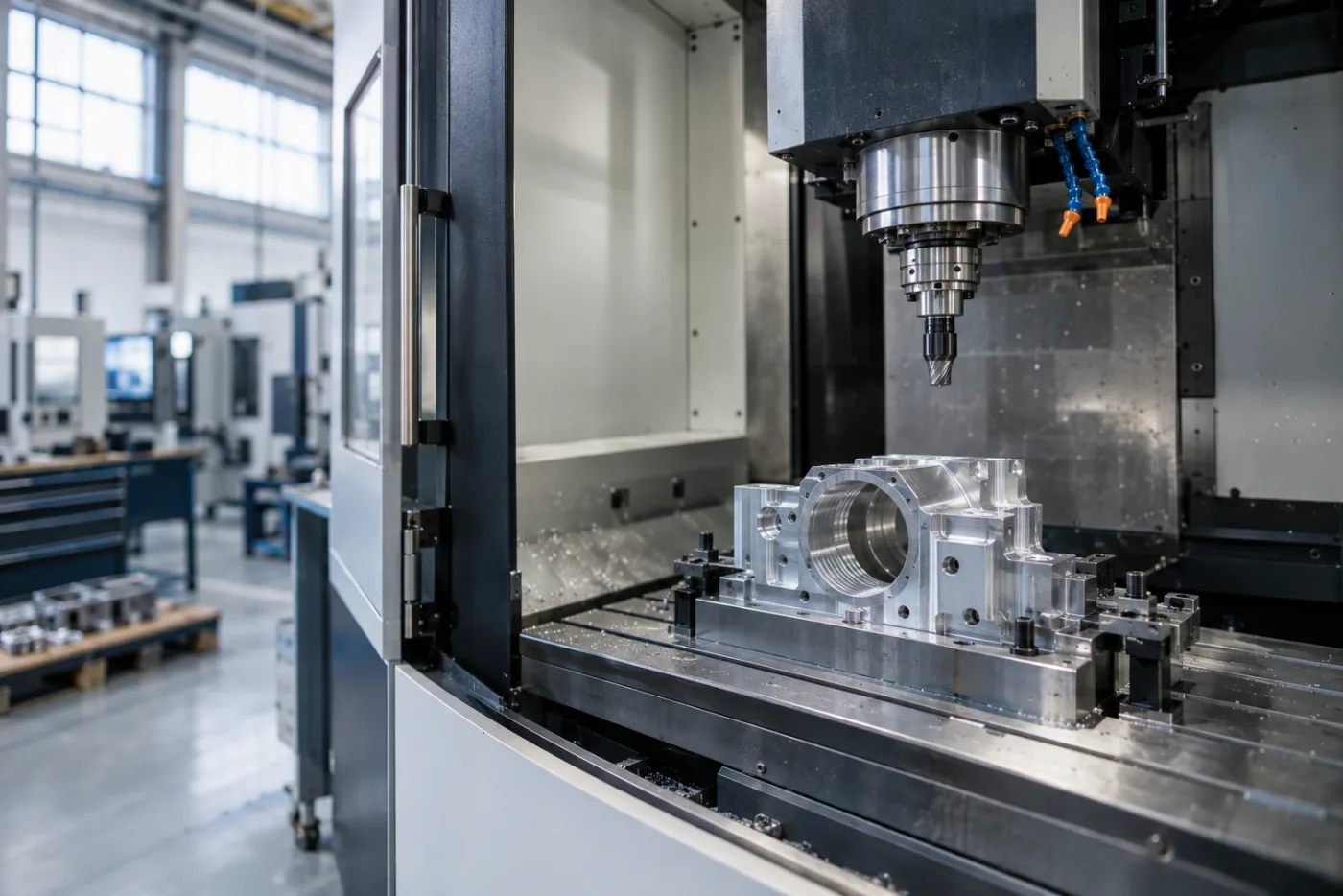
Electronics
Insulators, substrates, housings. Developers compare data sheets line by line.
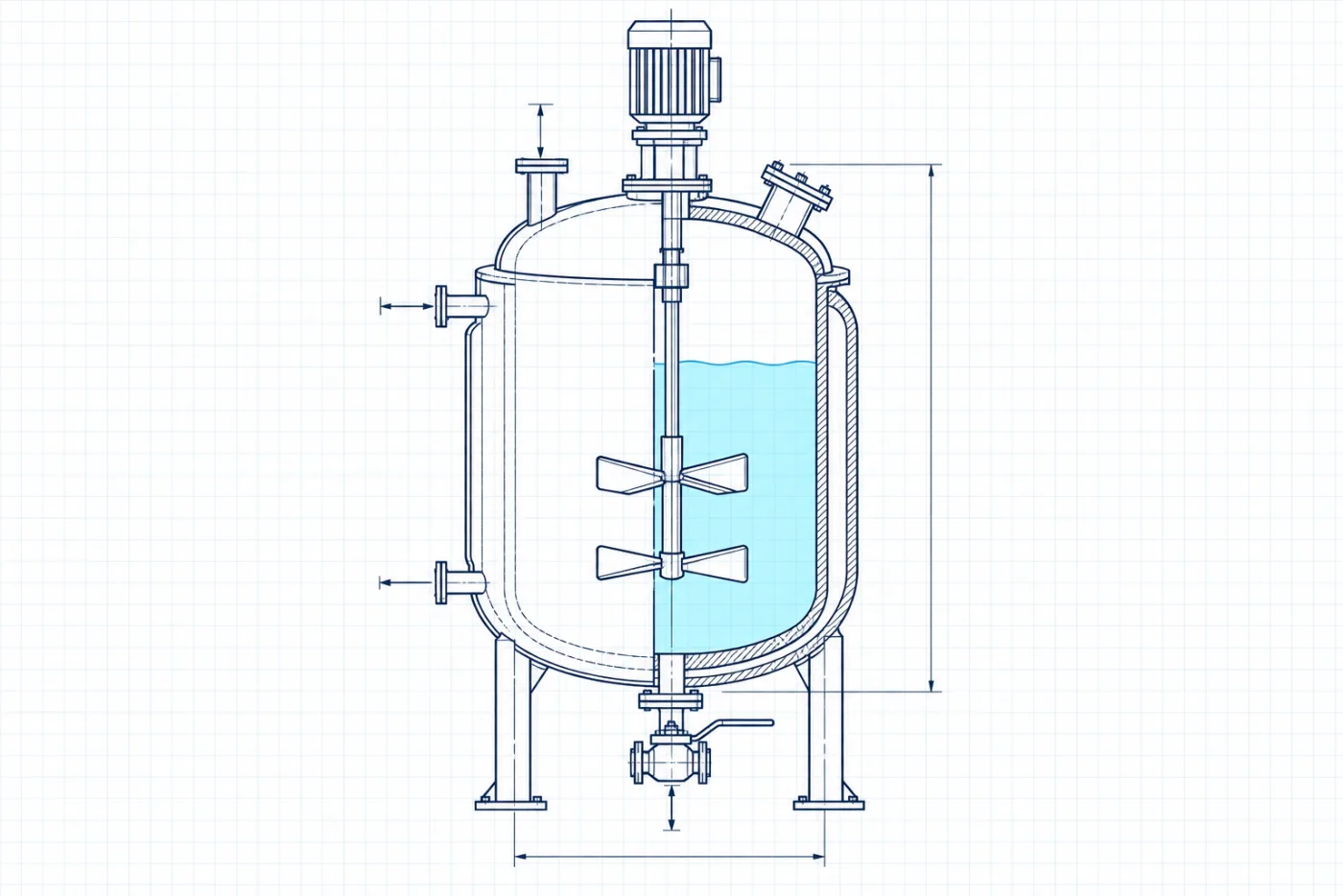
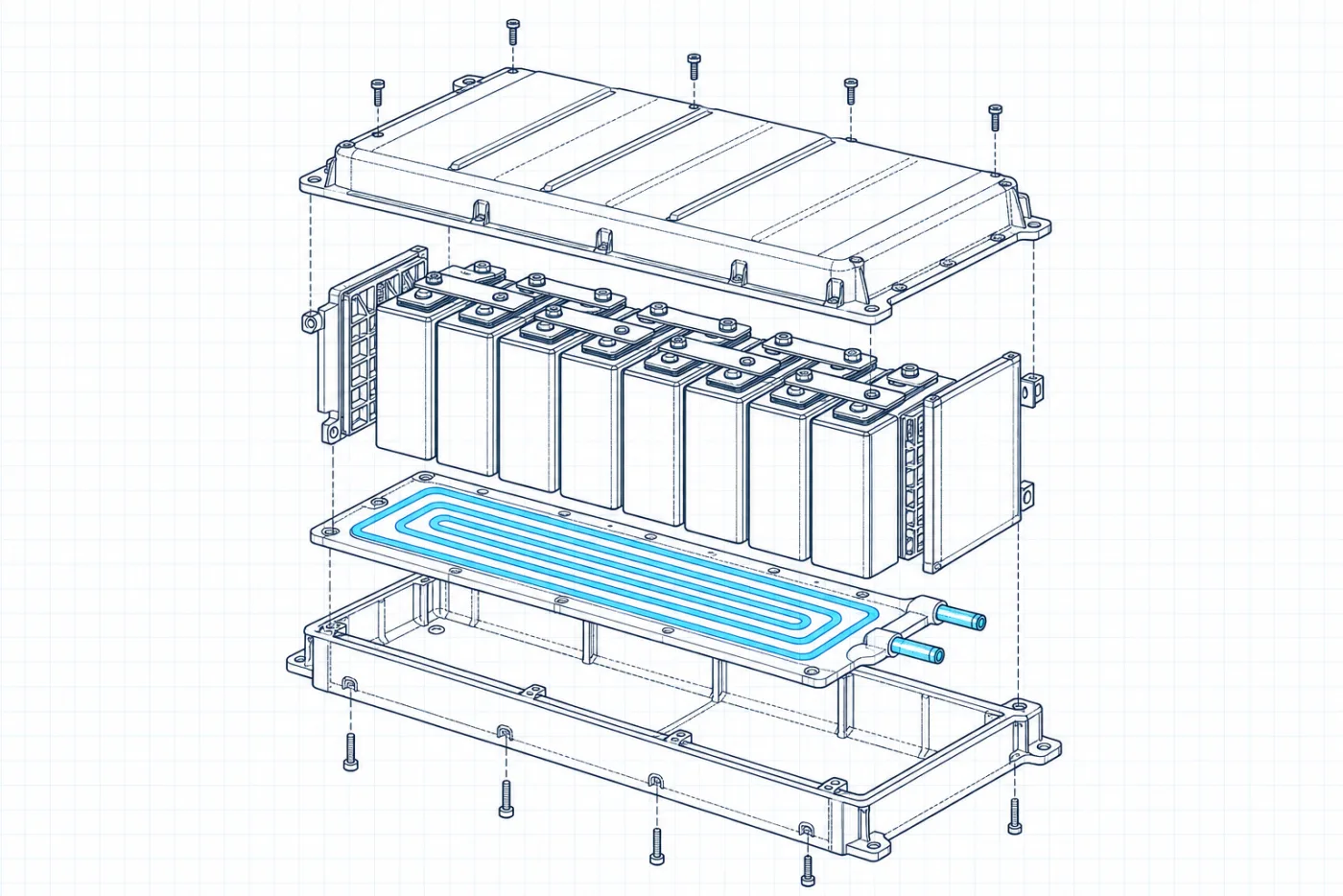
Chemicals and process
Parts against corrosion and abrasion. Maintenance knows the problem, engineering decides.
Promote the material or show the application?
Many ceramics makers present their materials. The customer has a part that fails too early.
Material first
- The website lists materials with properties
- Ads run on material names
- Inquiries come mostly from people who already buy ceramics
- New applications arrive by chance or at a show
Application first
- One page per problem: wear, heat, insulation, corrosion
- Ads on what the engineer actually types
- Metal users find their way to ceramics
- Every page says when ceramics are not the answer
Two ways in, one inquiry
Alumina, zirconia, silicon nitride, silicon carbide: the industry sorts by material, and so do most manufacturer websites. For the expert that is right. For an engineer considering ceramics for the first time, it is a wall.
I build the pages twice. By material: whoever arrives with a material name finds properties and forms of supply. By problem: whoever arrives with a failing part lands on the application and is guided to the right material from there.
Both paths end in the same inquiry form. In the weekly report you see which path brings the better sales conversations.
Content that sells
ceramics
The question before almost every order: how do I design with ceramics without the part cracking? Answer it on your site and you become the engineer's first contact.
-
Design guidelines
Brittle, sensitive to tensile stress and impact, joined differently than steel. Rules and examples from your application engineers.
-
Additive manufacturing
3D printed ceramics open new geometries and give you material for technical articles your sales team can share.
-
Supply chain
Many buyers now ask where the powder and the parts come from. A clear answer on sourcing and lead times belongs on the page.
How I work with ceramics manufacturers
Four steps from your material portfolio to inquiries from new applications. Behind it is my approach to industrial marketing.
- 1
Materials and applications
Which materials you master and for which applications you have reference parts. In the intro call I tell you whether I can help.
- 2
Problem pages
One page per application with operating conditions, material choice, limits and a form that asks for drawing, medium and temperature.
- 3
Campaigns per field
Search ads for problem descriptions and material names kept apart, LinkedIn for engineering and purchasing. Nothing goes live without your approval. Google Ads for manufacturers
- 4
Weekly report
You see which application field brings inquiries at what cost, and the budget follows the fields that carry.
What it costs
A fixed price for the launch phase, then cancel monthly. Your ad budget goes straight to the platform, not to me.
- Three-month launch phase: €4,990 flat
- Payment: €1,990 at the start, then two payments of €1,500
- One offer on up to two platforms
- Ad copy, images, landing page and lead magnet
- Retargeting from day one
- Prequalification of inquiries, up to 300 conversations a month
- Ongoing optimization, monthly report
- Each additional platform €290 a month
- After that €1,190 a month, cancel monthly
- Ad budget extra, from €600 a month
A case from practice
A US manufacturer of technical ceramics, a search market of 320 searches a month, July to October 2026.
What would this look like in your market? Let's find out in a short call.
Questions from ceramics manufacturers
Are ads worth it when few people search for technical ceramics?
Yes, if you don't rely only on the category term. People also search for problems such as a worn nozzle or insulation at high temperature, and they often don't know your solution yet. In the US case, about a quarter of the budget went to Google, and Google delivered 25 of the 29 contacts.
Can you run campaigns in the US from Germany?
Yes. Campaigns run per country and language with their own budget and reporting. For the US ceramics manufacturer I do exactly that, with every inquiry traced into the CRM. How I track inquiries
How much time does this take from my application engineers?
At the start, one longer conversation per application field and a review of the pages, because only your people can state the material limits bindingly. I write the texts and ads and run the campaigns.
Which other industries are close to ceramics?
Wear protection and refractories border on it but have different buyers. Many ceramics makers also sell as industrial suppliers into plant engineering.

Which application should your ceramics win next?
Name your materials and the industries you want to enter. In the intro call I'll tell you honestly what I think is realistic.