
Landing pages
that turn clicks into inquiries
One page per campaign, one offer, one next step. That is how a paid click becomes an inquiry.
I understand your product and build the page myself. What counts is the cost per inquiry.

No menu on a landing page. That is on purpose, not an oversight.
B2B landing page design means one page for one offer and one audience, built so a visitor from an ad takes exactly one step: inquiry, call or download.
- For whom: manufacturers and technical suppliers with traffic from ads, email or search
- Structure: outcome headline, proof above the fold, specs and limits, a short form
- Form: asks for application, quantity and timing, followed by a short WhatsApp message
- Measurement: every inquiry carries the ad and campaign it came from
What a B2B landing page is
A landing page is the page a visitor reaches after clicking an ad, a post or a link in an email. It has one topic and one goal. Menu, news and company history are left out on purpose, because each of them leads away from the goal.
For an industrial offer the goal is almost never a purchase. It is the inquiry of a plant manager or buyer who has a specific problem and wants to know whether you can solve it. The page has to convince that person, in a few short sections, that asking is worth their time.
B2B and B2C landing pages compared
Both follow the same basic rule of one page, one goal. The buyer behind the click is different.
Consumer landing page
- One person decides, often on the spot
- Price and emotion carry the decision
- The goal is a purchase or sign-up
- Short copy, big image, one button
Industrial landing page
- Several people decide, over weeks or months
- Specs, limits and proof carry the decision
- The goal is a qualified inquiry or a call
- Enough detail for an engineer, a clear summary for the buyer
When a separate
landing page pays off
Not every campaign needs its own page. In these three cases it almost always does.
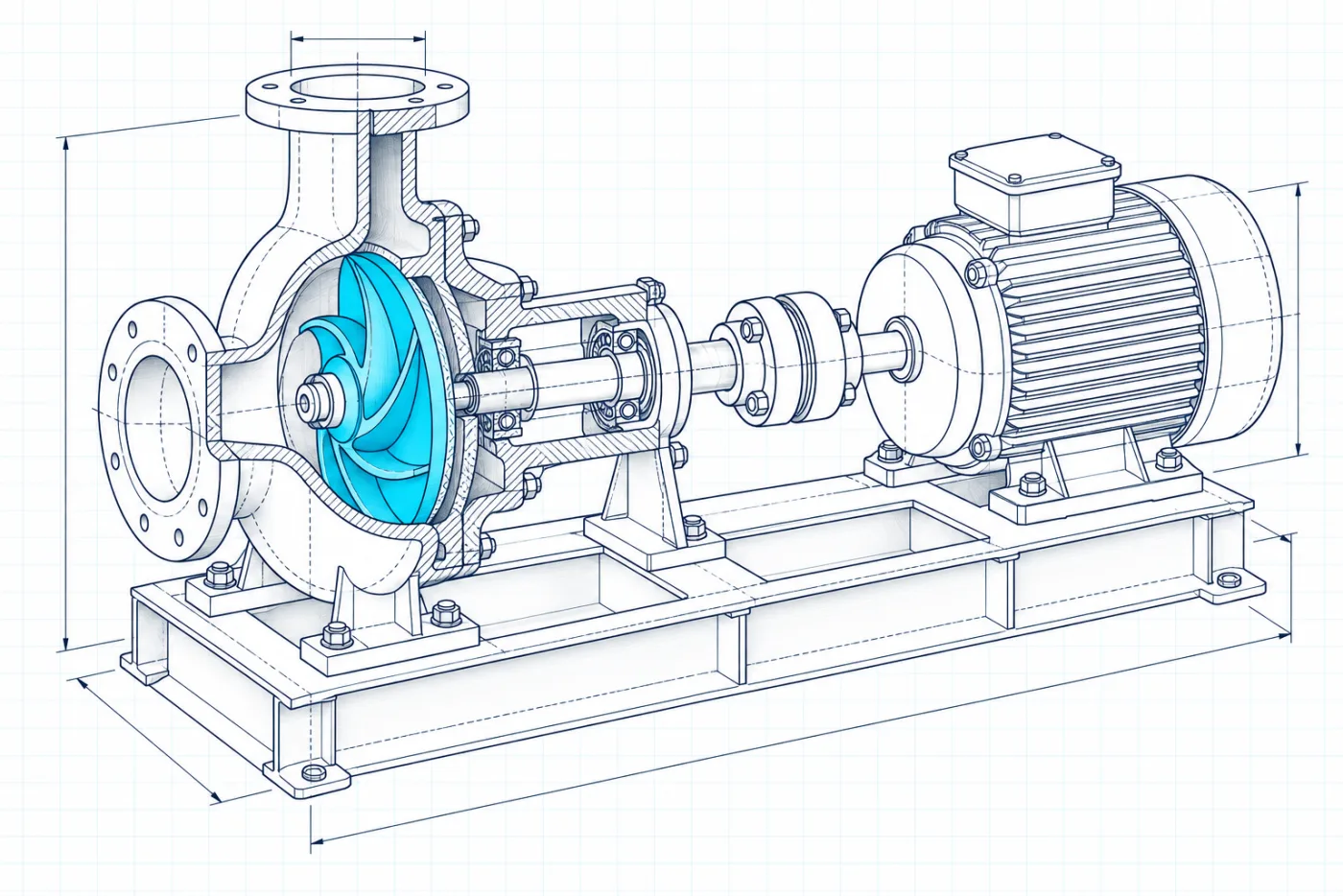
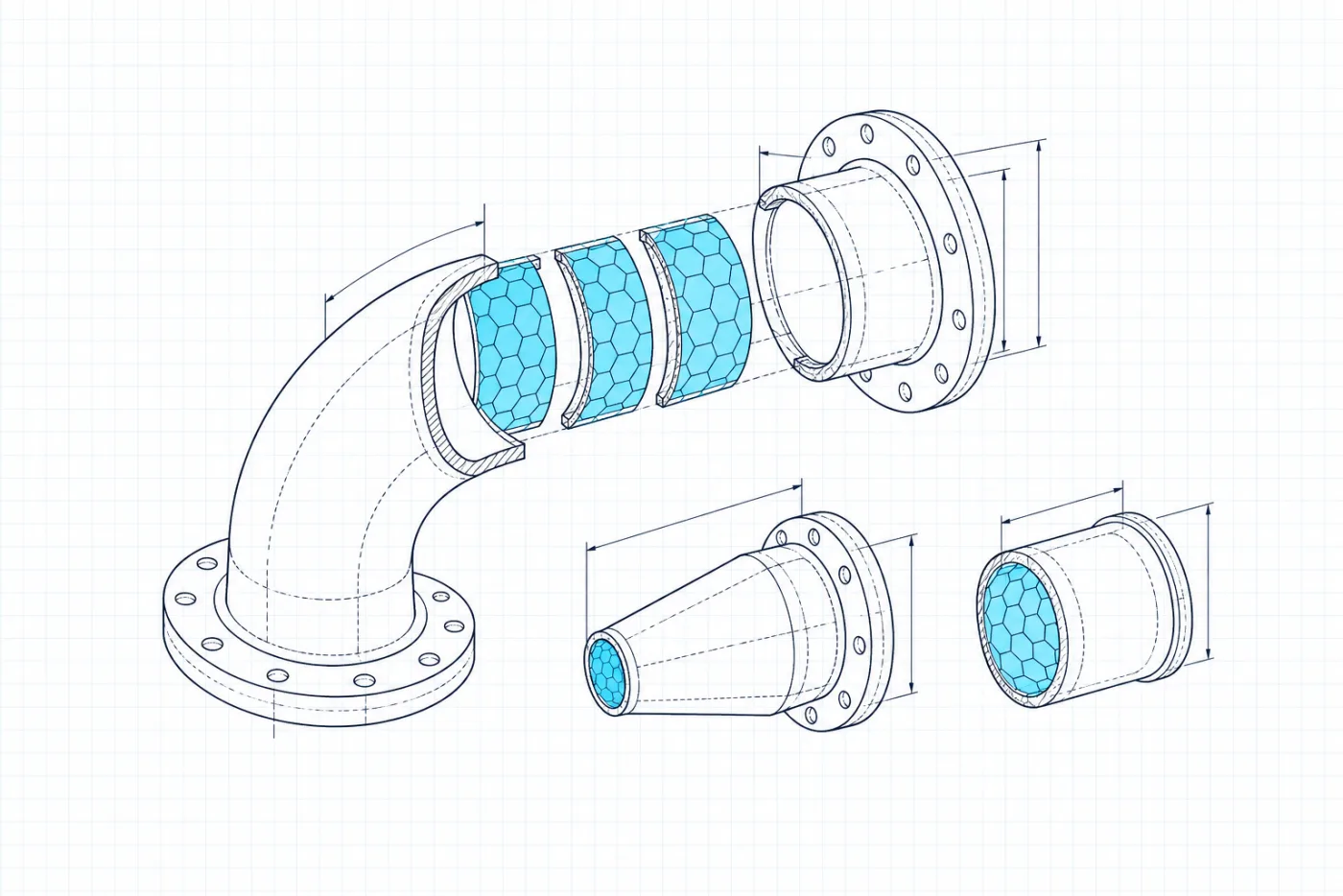
One product, two audiences
Purchasing asks about lead time and price range, the design engineer about data. Two pages put the right answer first.
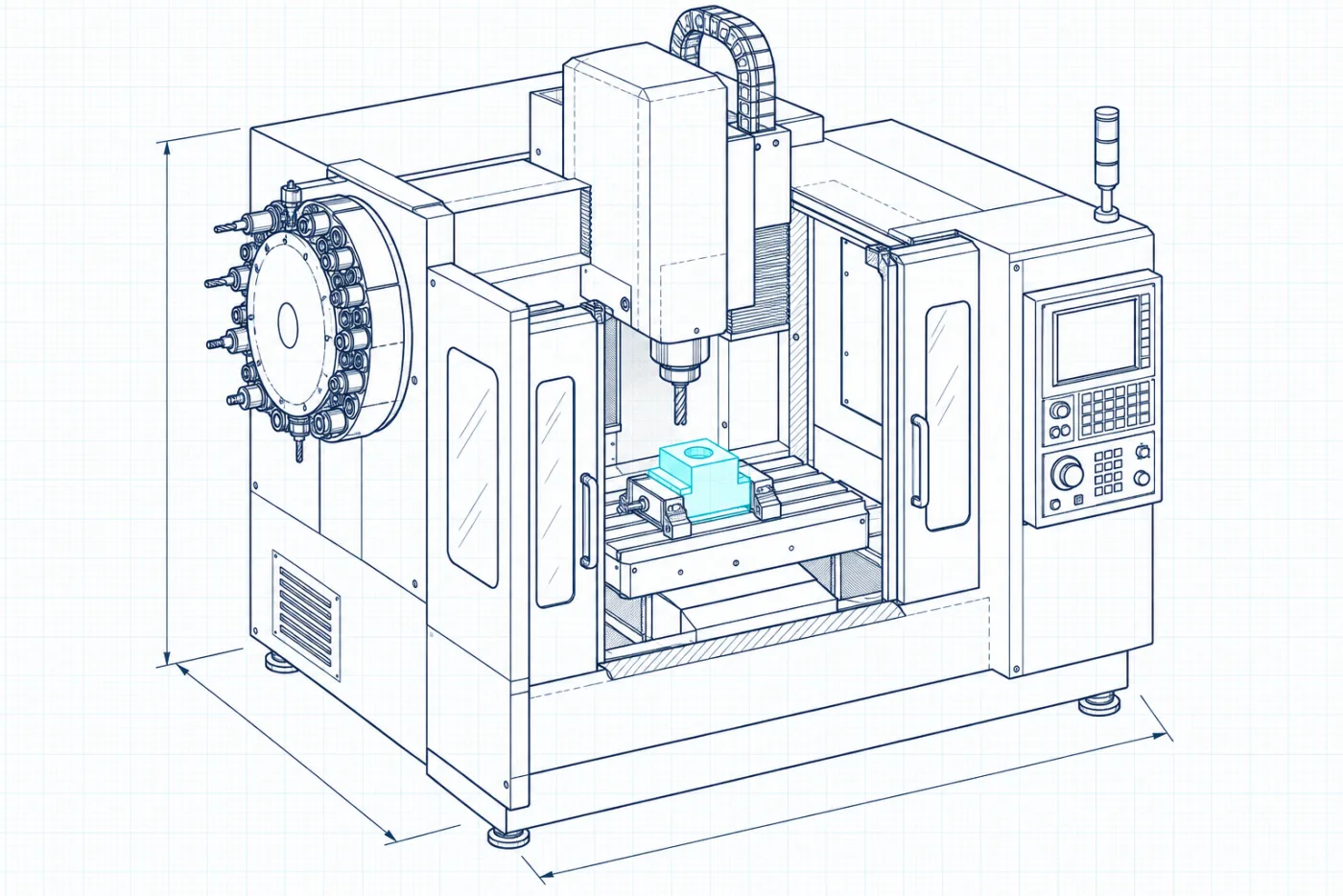
Trade show or new series
An occasion with its own form and its own report, so you see what it brought in.

The elements of a high-converting B2B landing page
A good landing page answers the visitor's questions in the order they ask them. For an industrial offer that usually means seven elements.
- Outcome headline: names the problem you solve, in your customer's words.
- Proof above the fold: one reference, one figure or one standard right below the headline.
- Product in action: your part or machine in use, no stock photos.
- Specs and limits: which materials, volumes or cases the offer does not cover.
- Social proof: references and application examples, as far as you may name them.
- Short form: as short as possible, as precise as necessary.
- One clear CTA: the same button text all the way down the page.
Write for readers, design for scanners
Most visitors scan a landing page before they read it. Their eyes jump from headline to subheads, to the first figure, to the button. Only if that quick pass promises an answer do they go back and read.
- Subheads that say something: "Lining lasts up to the next shutdown" tells more than "Benefits".
- Short sections: two or three sentences per block, so the page works on a phone.
- Figures in the text: a tolerance, a temperature or a throughput stands out more than any adjective.
- Cut the fluff: every sentence that could appear on a competitor's page goes.
The one rule
Every link that does not lead to the inquiry is an exit you built yourself and paid for with the click.

What engineers and buyers look for first
People who buy machines, components or plants read a landing page differently from consumers. They look for the limit first: does this work for my material, my volume, my tolerance, my bulk solid? If they cannot find the answer, they do not ask. They go back to the search results.
I know this way of reading from bulk solids handling, where I run my own portal, PowderBulkVideos.com, with 130 company profiles from 19 countries. A page that states its limits openly gets fewer inquiries that do not fit and more that your sales team is glad to work on.
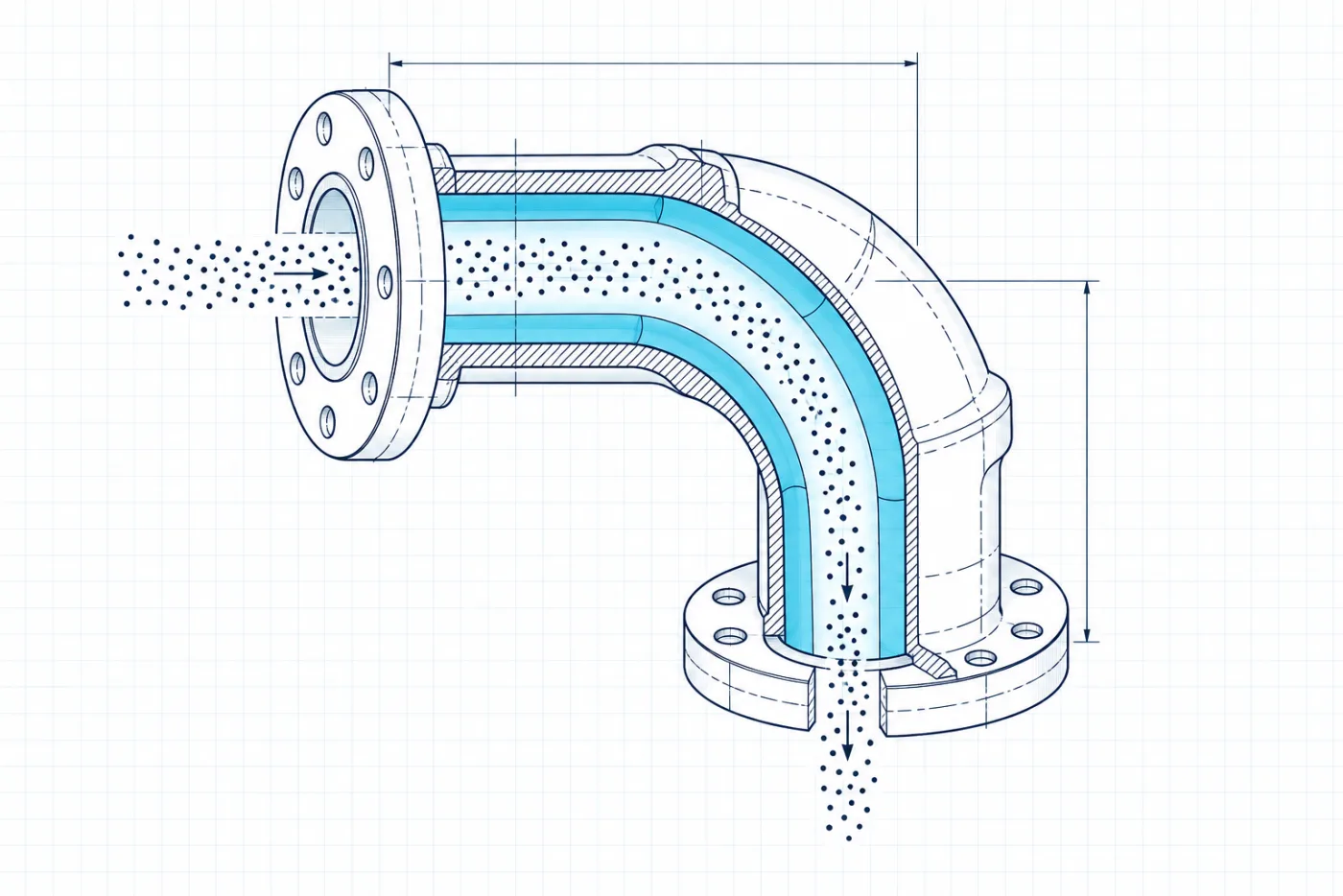
Message match: the ad and the page say the same thing
The most common reason a paid click is lost has nothing to do with design. The ad promises one thing, and the page opens with something else. A visitor who searched for a wear-resistant pipe bend and lands on a general ceramics overview has to start searching again.
So I write the ad and the page together. The headline repeats the promise of the ad, the first section confirms it with a fact, and the form asks about exactly that case. For a US manufacturer of technical ceramics I built two landing pages for the two situations buyers start from, each with its own thank-you page so every inquiry could be counted. The full numbers are in the technical ceramics case study.
The form decides what reaches your sales team
Most landing pages end with name, email and a message box. Afterwards your sales team knows hardly more than before and has to call just to find out what it is about.
My forms ask for application, quantity and timing right away. Where it fits, a calculator takes the place of the form: the visitor gets an estimate at once, and you get an inquiry with numbers. A short WhatsApp message goes out right after the form is sent, so open questions are cleared before the inquiry reaches sales. How the whole route works is described under lead generation for manufacturers.

Landing pages for trade shows
A trade show is the one time a year when many buyers in your field are in one place. Most exhibitors send them to the home page afterwards, and the contacts disappear among general visitors.
A trade show landing page works better: before the show it books meetings at the booth, during the show it collects the scanned contacts with one question about their project, and after the show it is the link in every follow-up email. Because it has its own form, you see afterwards exactly how many inquiries the show produced and what each one cost.
Build it, use a tool, or have it built
There are three ways to a landing page. Which one fits depends less on budget than on who looks after the page once it is live.
In-house build
Full control, if someone in-house has the time and the skills. Hosting, security and privacy then sit with you too.
Landing page builder
Quick to start, with templates and a monthly fee. The limits show as soon as design, form or tracking need to differ from the standard.
Have it built
Copy, design, form and tracking from one source. Makes sense when the page has to deliver inquiries from ads that already cost money.
How your landing page comes together
Four steps. You are asked at the first and approve before the third.
- 1
Offer and audience
Who lands on the page, where do they come from, and which step should they take? Result: what the page must say first.
- 2
Copy and form
I write the page in your buyers' language and decide which questions the form asks. You approve both. Result: approved copy and form questions.
- 3
Design and build
The page is built with my own generator, static and with its own design. Form, calculator and tracking are connected. Result: a working page on a preview address.
- 4
Launch and refine
The landing page goes live with the campaign. Each week you see cost per inquiry and per sales conversation, and I change the weak spots. Result: a page that gets better with every month of data.
Mistakes that cost inquiries
Most inquiries are lost at the same places.
Too many form fields
Twelve fields make a buyer postpone the inquiry and then forget it.
No proof
Claims without a figure, a standard or a reference.
Hard to read on a phone
Tables and data sheets that need zooming, in the plant between two meetings.
Slow loading
A page that takes several seconds on a mobile connection loses the visitor before the headline.
No tracking
Nobody knows which ad brings the inquiries, so budget is spread by gut feeling. Whether a page convinces its visitors only shows in operation, which is why conversion rate optimization belongs to every landing page that runs on ad budget.
What the website costs
One fixed price for the whole site, no timesheets. The domain stays yours.
- Up front: analysis of search terms, competitors and site structure
- Up to 60 service, product, industry and material pages
- Location pages where they make sense
- Up to 50 guides and 50 glossary entries
- FAQ, about page, contact with an inquiry system
- One calculator and one lead magnet
- All copy, images and drawings
- Live seven days after you approve the concept
- Then €79 a month, billed annually
- Included: hosting, SSL, updates, ranking report, up to 2 hours of changes a month
A case from practice
A US manufacturer of technical ceramics, a search market of 320 searches a month, July to October 2026.
What would this look like in your market? Let's find out in a short call.
Questions about landing pages
How long does it take to build a landing page?
Copy and approvals usually set the pace, not the build. I give you a realistic date after the intro call, once it is clear what already exists.
Do I need a separate page for every ad?
No. One page per offer and audience is usually enough. Variants pay off when ads make very different promises.
Can the landing page run on our domain?
Usually yes, as a subpage or on a subdomain. I agree the setup with your IT.
Why are landing page examples from software companies of limited use?
Most published examples sell software with a free trial. Their visitor decides alone and in minutes. An industrial buyer decides with others over months, so the page has to carry specifications, limits and proof that a software page never needs.
Do you build landing pages in other languages?
English and German I write myself. For US companies selling into Germany, Austria and Switzerland, the page in the local language is part of entering the European market.
Page and campaign belong together
The landing page is the second half of every ad, in industrial marketing as everywhere else. The traffic comes from search ads or from LinkedIn ads aimed at engineers and buyers. If the whole website needs a new start rather than one page, read on under manufacturing website design. All building blocks are listed in the overview of my services.

Which inquiry should your next page bring in?
In the intro call we work out offer, audience and the questions your form should ask.