
Google Ads
for buyers who are already searching
Search ads that turn into RFQs, not just clicks. Every week you see what each inquiry cost.
Inquiries are prequalified before they reach sales. I do the work myself, and nothing goes live without your approval.

The list of searches you stay out of matters more than the list you buy.
As a B2B Google Ads agency for manufacturers, I plan, launch and manage your search campaigns so that clicks from engineers and buyers turn into qualified RFQs.
- Audience: buyers and engineers who search for your process, part or problem
- Method: tight keyword lists, long negative lists, ads written for engineers
- Measurement: every inquiry traced back to the click, up to the sales conversation
- Reporting: a weekly report with cost per inquiry and per sales conversation
What I handle in your Google Ads account
Google Ads is Google's advertising system. You usually pay only when someone clicks, and you decide which searches, regions and hours count. That part sounds simple. In practice, dozens of settings decide whether your budget reaches purchasing managers or students, job seekers and competitors checking your prices. I take those settings off your desk.
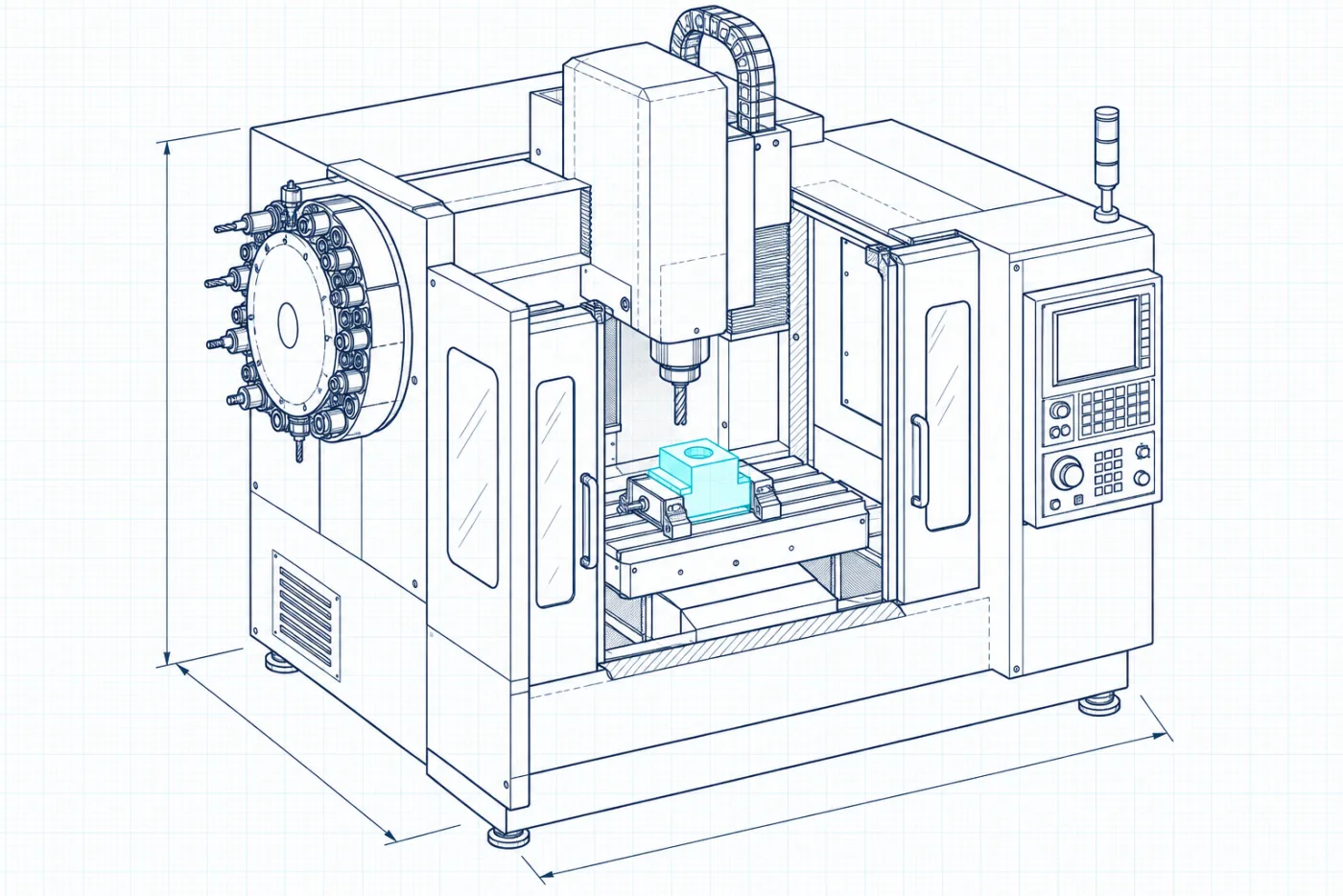
Account structure
Campaigns split by capability and application, so you can see which product line brings inquiries.
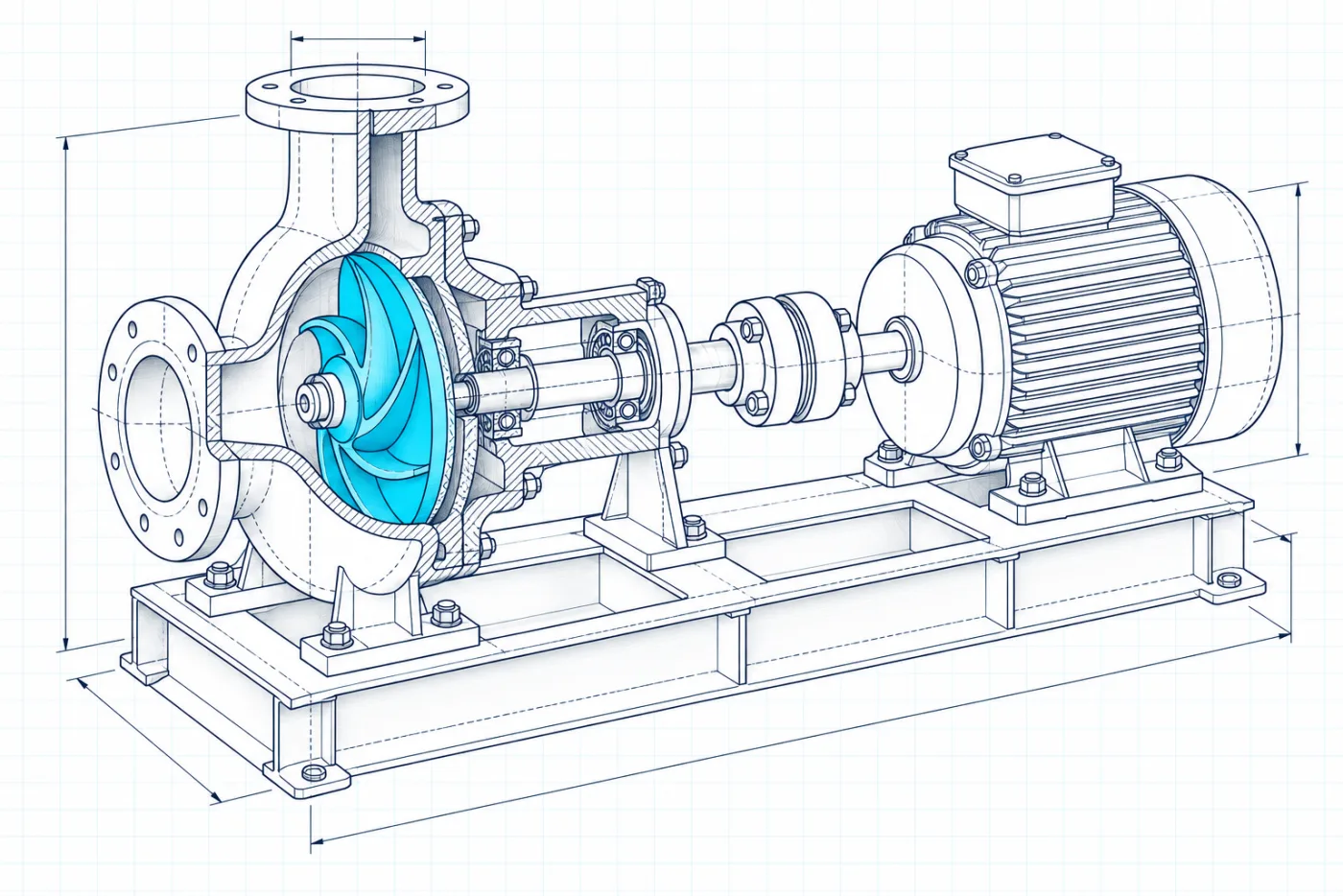
Keywords and negatives
The words your customers type, plus a long list of searches where you should never appear.
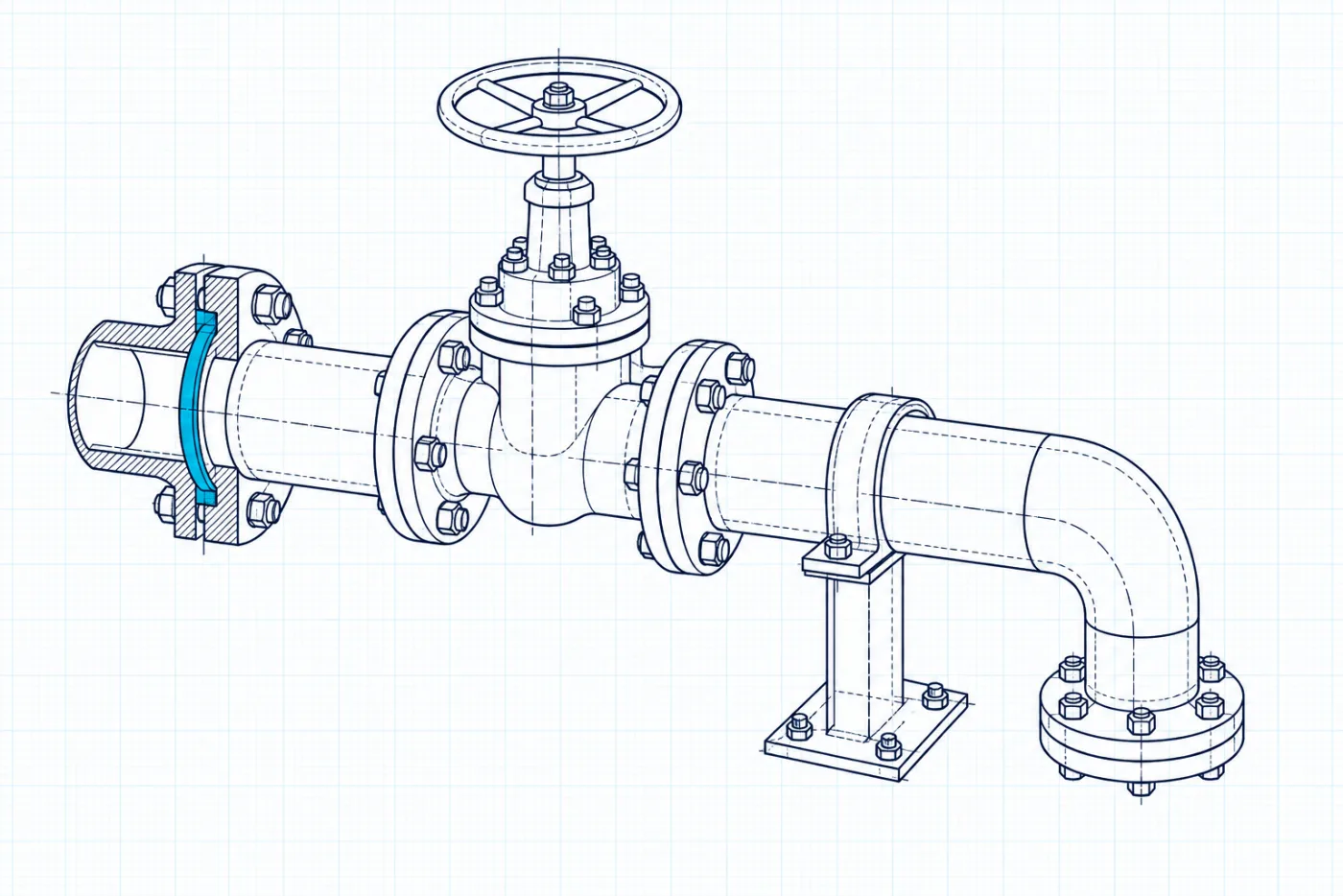
Ad copy
Ads that name the technical problem, with phone number and data sheet as extensions.
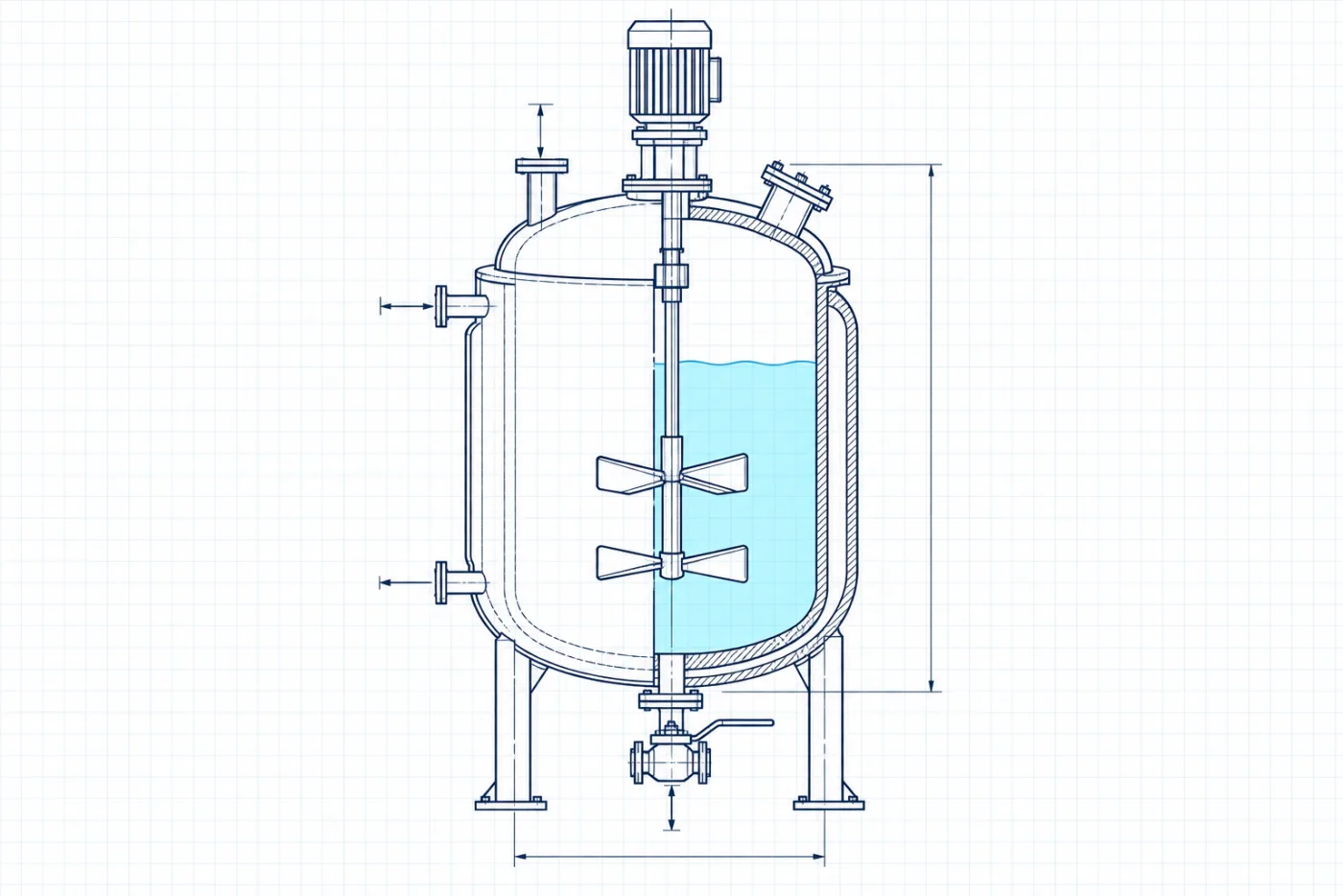
Conversion tracking
Every form, call and RFQ is matched to the ad and the search that produced it.
Ongoing management
Bids, budget and ads adjusted every week to what the numbers say.
Campaign types
that work for manufacturers
Google offers more campaign types than an industrial company needs. These four carry most of the work.

Search campaigns
The core. Your ad shows up when someone is actively searching for what you make. No other channel comes with that much intent.

Remarketing
People who visited your site see you again in the weeks after. Technical buyers rarely send an RFQ on the first visit.

YouTube
Your machine running, in front of people who follow the topic. More on that under video ads for manufacturers.

Performance Max
Google spreads the budget across all its placements. For industrial accounts only with clean tracking and firm exclusions.
What it comes down to
On Google you pay for every click, a student's included. Good campaigns first decide who should never see the ad.

Why Google Ads for manufacturers works differently
Industrial search terms are short and ambiguous. "Ceramic wear protection" is typed by a maintenance manager at a mine, and by a materials science student writing a paper. "Belt conveyor" is searched by a plant engineer and by a hobbyist building one in his garage. If you just add keywords and let Google sort out the rest, you pay for a lot of clicks from people who will never buy.
Three things make the difference in technical markets:
- Negative keywords: words like job, salary, used, PDF, definition or DIY go out before launch, along with everything that typically misses in your market.
- Applications instead of product names: many buyers search for their problem, not for your product category. Those searches are often cheaper and closer to a real need.
- Feedback from sales: which inquiries became quotes and orders flows back into the account. Google then learns from sales conversations, not from form fills.
A US manufacturer of technical ceramics has me run its Google Ads. Without brand names, its core market had about 320 searches a month in the US. Google took roughly a quarter of the ad spend and brought 25 of 29 contacts in four months. The numbers are in the technical ceramics case study, and the market itself is described under technical ceramics marketing.
B2B vs consumer Google Ads: what changes
Most Google Ads advice is written for online shops. A manufacturer selling a filling line or a wear part plays a different game, and several standard recommendations work against it.
Consumer playbook
- High search volume, short decision, one buyer
- Success counted as purchases in the shop
- Broad match and automated bidding with lots of data
- Shopping ads and product feeds at the center
Industrial playbook
- A few hundred searches a month, months until an order
- Several people involved: engineering, purchasing, management
- Exact and phrase match, long negative lists, manual checks of search terms
- Success counted as qualified RFQs and sales conversations
Keywords that signal a buyer
Not every search with your product name in it is worth a click. I sort search terms by what they reveal about the person behind them, and I bid accordingly.
| Search type | Example | What it tells you | How I treat it |
|---|---|---|---|
| Problem | abrasion in pneumatic conveying line | A plant has a problem and a deadline | High priority, own ad group |
| Specification | alumina lined pipe elbow 6 inch | Engineer is close to a decision | High priority, exact match |
| Supplier search | ceramic liner manufacturer USA | Purchasing builds a shortlist | High priority, landing page with RFQ form |
| Category | wear resistant materials | Early research | Low bid or watch only |
| Education | what is technical ceramics | Student or newcomer | Negative keyword |
| Jobs and used | ceramic engineer jobs, used conveyor | No purchase intent | Negative keyword |
How I run your Google Ads
Four steps to the first inquiry. You approve before a single dollar or euro is spent.
- 1
Check demand
I look at how often your customers search for your solution and what a click costs in your market. If demand is too small to carry search ads, I tell you. Result: a clear yes or no for Google Ads, with a realistic budget range.
- 2
Build account and tracking
Campaigns, keywords, negatives, ads and the link between every inquiry and its click. If you have an account, I review it first and keep what works. Result: an account you own, ready to launch.
- 3
Launch with your approval
You see ads, keywords and budget before anything runs. You set the budget. Result: campaigns live with nothing you have not signed off.
- 4
Manage every week
Review search terms, add negatives, adjust bids, replace weak ads. Result: you see what each inquiry and each sales conversation cost, every week.
What Google Ads management costs
You pay for two things, and they should be listed separately in any proposal.
- Ad spend: goes from your account directly to Google. You decide how much.
- Management fee: pays for setup, ads, tracking, weekly management and reporting.
What Google Ads costs per month depends on three numbers: how many people search for your solution, what a click costs in your market, and how many clicks it takes to get one inquiry. In technical niches clicks are often expensive and search volumes small. The budget stays manageable, but every single click matters.
When you compare agencies, look closely at how the fee is calculated:
- Percentage of ad spend: sounds fair, but the agency earns more when you spend more.
- Flat fee: easier to compare for a defined scope, and nobody profits from a higher budget.
I work for a fixed fee, kept separate from your ad budget, and the contract is cancellable monthly after the first three months.
The right budget is the one your search market can absorb, not the one in last year's plan.
Whether there is a minimum ad spend comes down to data. The budget has to bring in enough inquiries in a reasonable time for decisions to rest on numbers. Work backward: what is a new customer worth to you, and how many inquiries does it take to win one? If an order is worth five figures and one in five inquiries turns into a quote, an inquiry may cost a fair amount.

Tracking RFQs back to the click
Form fills are not the goal. A manufacturer wants to know which campaign produced the RFQ that turned into a purchase order three months later, even if the buyer called instead of filling in the form.
That takes an unbroken chain. The click ID travels from the ad to the landing page, into the form and from there into your sales system. When sales marks an inquiry as qualified or won, that status goes back to Google as an offline conversion. With low conversion volumes, typical for industrial accounts, this is what keeps automated bidding from optimizing for the wrong people.
The setup itself is described under conversion tracking for B2B. Where the click lands matters just as much: a page that answers the exact search and offers a short RFQ form gets more out of the same click, which is why I often build landing pages for industrial campaigns alongside the ads.
How to judge a Google Ads agency for industry
The best agency for a SaaS company is not automatically the right one for a valve manufacturer. Badges show that someone knows the interface. Whether they understand your market only shows in the conversation. Four things are worth checking before you sign, with me as with anyone else.
Search terms, not just keywords
You should see the actual searches your ads appeared for, not only the keywords that were booked. That is where wasted budget shows.
Negatives as ongoing work
Ask how often the negative list gets updated. In technical markets, every week is the right answer.
Feedback from sales
If only form fills are counted, the account optimizes for form fills. Ask how sales outcomes get back into the bidding.
Understanding your product
If someone cannot explain your application in two sentences, the ads will read like your competitors' ads.
What it costs
A fixed price for the launch phase, then cancel monthly. Your ad budget goes straight to the platform, not to me.
- Three-month launch phase: €4,990 flat
- Payment: €1,990 at the start, then two payments of €1,500
- One offer on up to two platforms
- Ad copy, images, landing page and lead magnet
- Retargeting from day one
- Prequalification of inquiries, up to 300 conversations a month
- Ongoing optimization, monthly report
- Each additional platform €290 a month
- After that €1,190 a month, cancel monthly
- Ad budget extra, from €600 a month
A case from practice
A US manufacturer of technical ceramics, a search market of 320 searches a month, July to October 2026.
What would this look like in your market? Let's find out in a short call.
Questions about Google Ads management
Who owns the ad account?
You should. Make sure the account is registered to your company and I only get access. Campaigns, data and history stay with you if we ever stop working together.
How long until the first inquiries?
Search ads run from day one. It usually takes some weeks to see which keywords produce inquiries, and with long sales cycles, months to see which ones produce orders. For the ceramics manufacturer, the first won order came seven weeks after the click.
Do we need a dedicated landing page?
Usually yes. An ad that sends engineers to your home page loses many of them. A page that answers the search and has a clear RFQ path converts far more of the same traffic.
Why do Google Ads fail for machine shops and fabricators?
Most often because the account buys broad terms like "CNC machining" nationwide, without negatives and without a page that shows capabilities, tolerances and materials. The clicks come from hobbyists, students and buyers far outside your shipping range. Narrow terms by capability, a geographic limit and a short RFQ form fix most of it.
Can you run campaigns in other countries?
Yes. Search campaigns can target any country and language your buyers search in. US manufacturers who want to reach buyers in Germany or the rest of Europe will find more under market entry Europe.
Google Ads alongside other channels
Search captures demand that already exists, which makes it the first building block of industrial marketing for most manufacturers. When nobody searches yet, because your technology is new or the buyer does not know the problem has a name, demand has to be created first. That is where LinkedIn ads aimed at engineers and buyers come in, and search follows later. All other services are listed in the overview of my services.

Are your buyers already searching for you?
In a 20 to 30 minute intro call, we look at how often and with which words.