
Marketing automation
that takes work off your sales team
Every inquiry gets an answer within minutes. Contacts who are not ready yet stay in touch.
I set up the flows and write the messages myself. Nothing goes out without your approval.

People still run the sales conversations. Everything before that can be automated.
As a B2B marketing automation agency, I set up the repeat steps between inquiry and order so they run by themselves, and your sales team calls prepared prospects.
- For whom: manufacturers and industrial suppliers with regular inquiries and long sales cycles
- Starting point: the inquiry form and the first answer, not a new software project
- Tools: set up on the CRM and email system you already use, no CRM migration
What marketing automation means for manufacturers
Marketing automation is software that triggers marketing steps by fixed rules. Something happens, such as an inquiry, a datasheet download or a click in an email, and a defined reaction follows. Nobody has to remember it, and nobody has to type anything twice.
For manufacturers this matters more than for most businesses, for three reasons:
- Self-informed buyers: engineers read datasheets and compare suppliers long before they contact anyone, and they expect a fast, precise answer when they finally do.
- Long cycles: months pass between the first inquiry and the order, and contacts slip through while sales is busy with today's quotes.
- Marketing and sales disconnected: marketing counts leads, sales counts orders, and nobody sees what happens in between.
Six flows that pay off
in manufacturing
Most companies start with two or three of these. Each one replaces a task your team does by hand today, or forgets.
Instant response
The prospect gets a confirmation within minutes and a short question about application and timing.
Prequalification and routing
Clear inquiries go straight to the right sales engineer by region or product line; unclear ones get a follow-up question first.
Quote follow-up
A reminder when a quote has had no answer after a set number of days, to the buyer and to your sales rep.
Nurture for the long cycle
An email sequence for contacts who are only collecting information today, with application notes instead of sales pitches.
Stalled quotes and cold leads
Old quotes and contacts get a useful message months later, timed to budget cycles or shutdown periods.
Reorder and service
Customers get reminders for wear parts, maintenance intervals or recalibration, when the timing is predictable.
The line
Automate everything your sales team does the same way every time. Keep everything that needs a real conversation.

Prequalified inquiries instead of empty contacts
A short form takes the inquiry. Right after, a WhatsApp follow-up message asks the questions that are still open, and your sales team receives a prequalified inquiry instead of a name and an email address.
The questions depend on what you sell: application, material, throughput or quantity, timing and the role of the person asking. For a pump manufacturer that might be the medium and the flow rate; for a contract machining shop the material, batch size and drawing status. The first call from your sales team is then no longer a search for basic facts. It starts at the point where your engineer adds value.
Start with the inquiry, not with a CRM project
Many marketing automation offers begin with selecting and introducing new software. Implementing a CRM is not part of my services. I start where inquiries are created and where they get stuck today: between the form and the first conversation.
The usual path
- Choose and implement a new platform first
- Migrate data, set up fields, train staff
- The first automated flow comes when the system is finished
My path
- Start with the form and the first answer
- Route inquiries to where your sales team already works
- If you use a CRM, inquiries flow into it; if not, a clean handover works without one
The four building blocks
Behind every flow sit the same four parts. Which ones you need depends on how many inquiries you get and how long your cycle is.
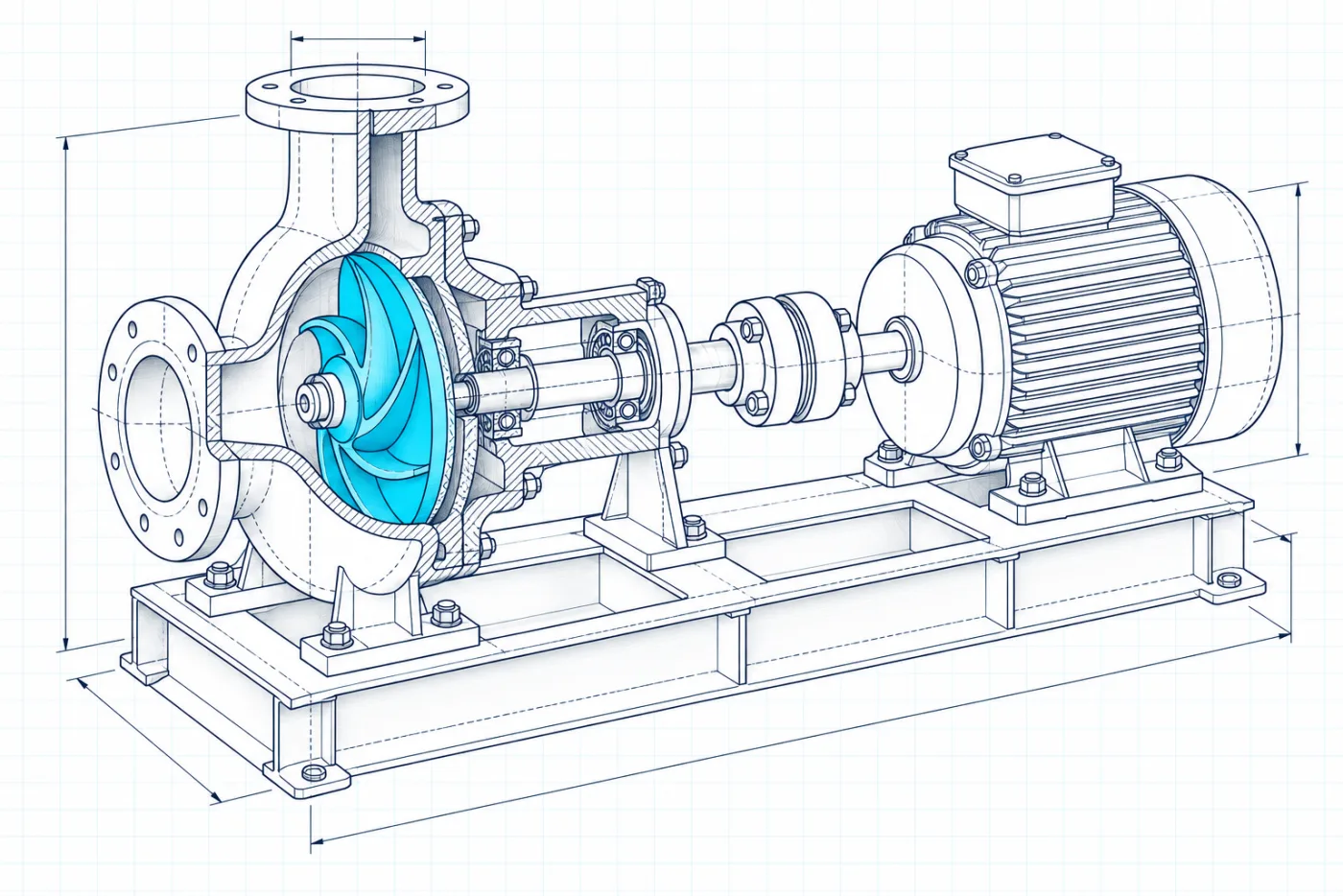
Behavioral tracking
Which pages, datasheets and emails a contact has looked at, so sales sees the interest behind an inquiry.
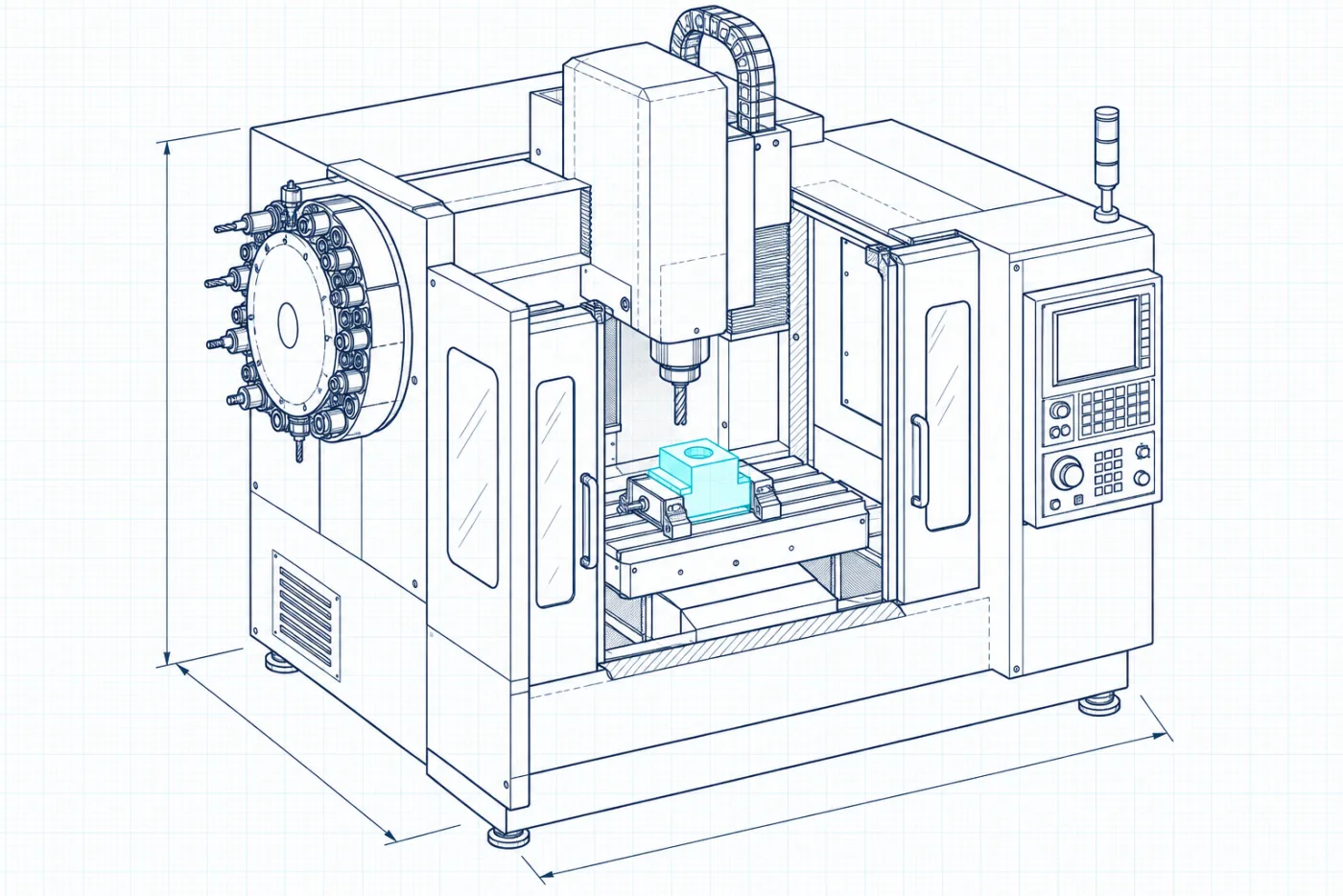
Lead scoring
Points for fit and behavior that decide when a contact goes to sales.
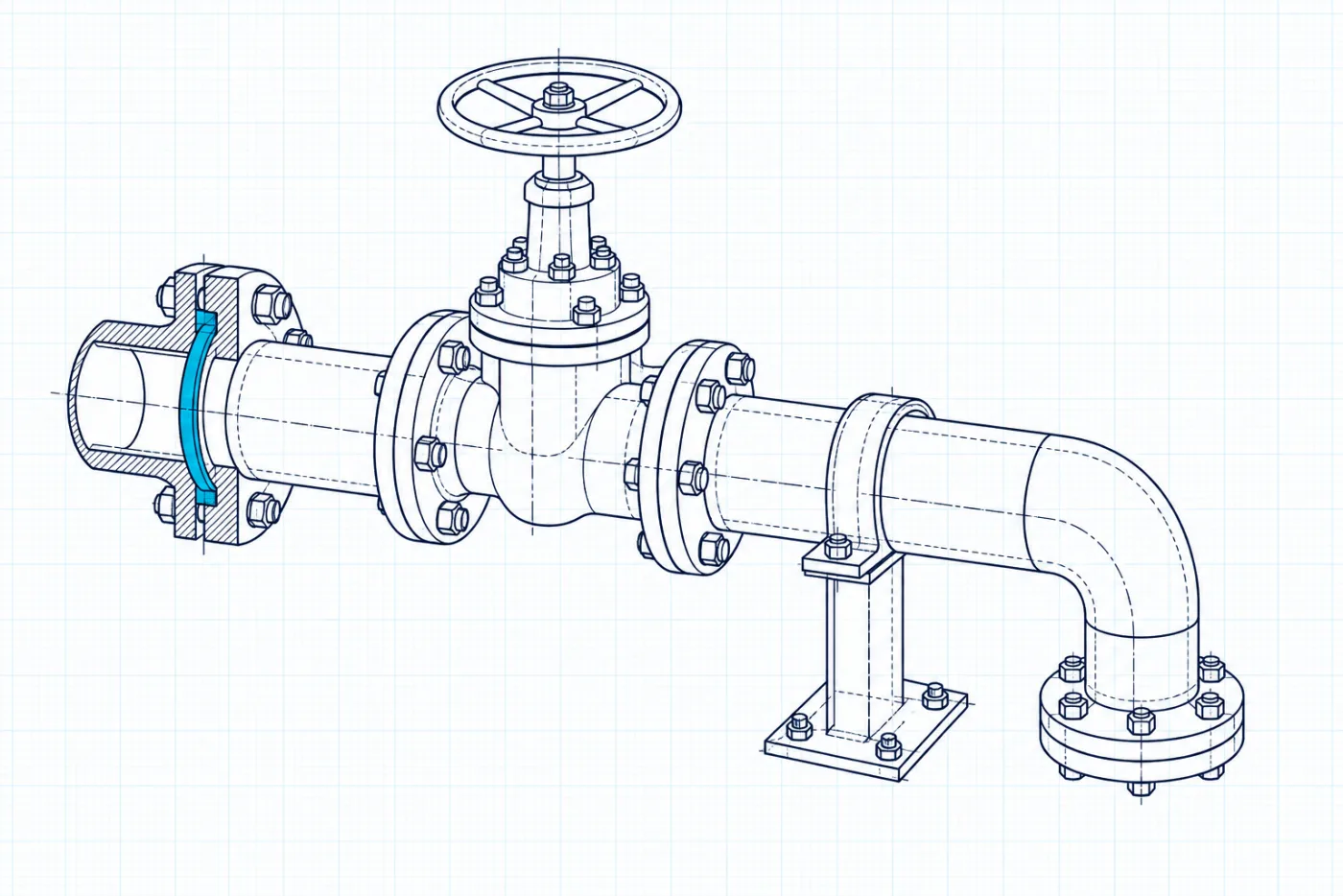
Email nurturing
Sequences that send the right content at the right time, by product line or application.
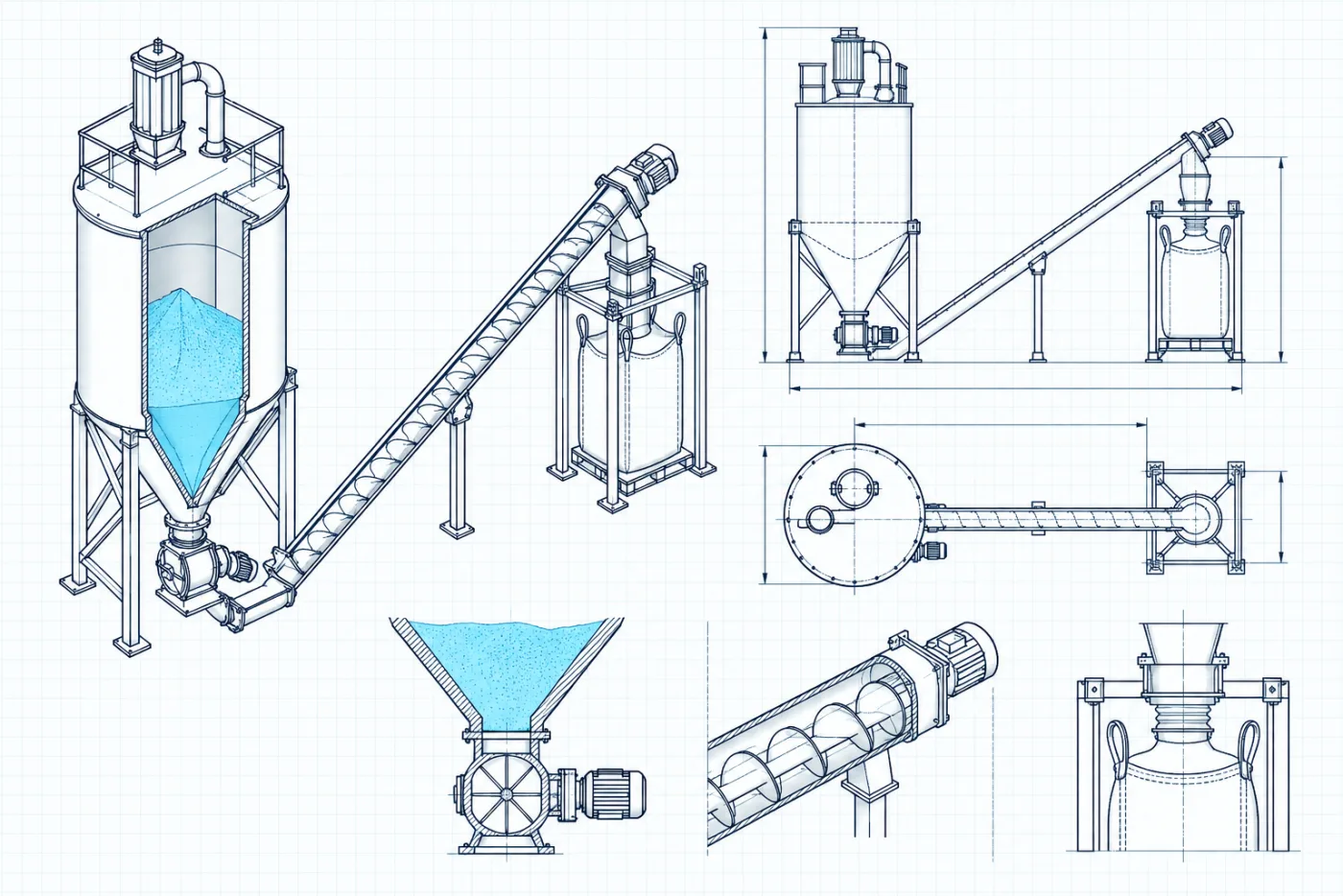
Reporting
One view of how many inquiries came in, were answered, and turned into conversations.
What data marketing automation needs
Every flow is only as good as the information it reacts to. A rule like "inquiries above a certain volume go straight to the key account manager" only works if the form asks for the volume, such as tons of bulk material per year or the number of pumps. That's why the work starts with the questions in the form, not with the software.
- Few fields: industry, application, quantity or size, timing and role. Every extra field means fewer inquiries.
- Clean ownership: one person per region or product line who receives inquiries and answers within an agreed time.
- Where AI fits: sorting free-text inquiries, drafting replies and summarizing a contact's history. A person approves what goes out.
Spray-and-pray emails to every contact in the database are not automation. They are a faster way to get unsubscribed.
How I set up marketing automation
Four steps. Every message goes out only after your approval.
- 1
Map what happens today
Who answers an inquiry, when, and where contacts get lost? Result: a short list of the gaps that cost the most.
- 2
Set the rules
Which inquiry goes to sales right away, which gets a follow-up question, which gets a sequence over several weeks? Result: rules written so your sales team can check them.
- 3
Write and build
I write the messages in your tone and set up the triggers on your tools. You approve every text. Result: flows running on real inquiries.
- 4
Run and report
The weekly report shows inquiries received, response time, prequalified share and sales conversations. Result: flows adjusted where they don't carry.
How to measure marketing automation
Open rates and click rates are interim numbers. These four tell you whether automation helps your sales team.
Time to first response
From the moment an inquiry arrives until the prospect gets an answer that addresses the question.
Prequalified share
How many inquiries reach sales with application, quantity and timing already known.
Conversations per month
Sales conversations that started with an automated step, counted in your CRM or in the report.
Quotes followed up
How many open quotes got a reminder, and how many of those got an answer.
What marketing automation costs
A fixed price for the setup, then a small amount for operation.
- Up to three workflows
- For example: website inquiry into your CRM
- For example: an email sequence of four emails
- For example: an alert to your sales team
- Each additional workflow €990
- Then €99 a month, billed annually
- Included: operation, monitoring, repairs when interfaces change
- You pay CRM or email software licenses directly
A case from practice
A US manufacturer of technical ceramics, a search market of 320 searches a month, July to October 2026.
What would this look like in your market? Let's find out in a short call.
Questions about marketing automation for manufacturers
Do we need a big team to run it?
No. Once the flows are set up, they run without daily work. Someone in sales has to answer the inquiries they produce, that is all.
What should a manufacturer automate first?
The answer to a new inquiry. It is the step with the most lost money behind it and the fastest to set up.
Which marketing automation platform should we use?
The one your sales team already works with, if it can send emails and receive form data. HubSpot, Salesforce Account Engagement and similar tools all do that. A new platform is rarely the bottleneck.
Can we email contacts automatically?
Answers to a specific inquiry are not advertising. A nurture sequence over months is. In the US, CAN-SPAM requires an honest sender and an opt-out; in Germany and the EU, advertising emails generally need prior consent, also from business contacts.
What does marketing automation cost?
A fixed fee for setup, depending on the number of flows and whether forms and texts already exist. Licenses for CRM or email software you pay directly to the vendor.
Do technical buyers respond to automated emails?
They respond to useful ones: an application note, a selection guide, a reminder about a quote they asked for. They ignore newsletters full of company news.
Automation needs inquiries
You can only automate what comes in, so in industrial marketing automation never comes first. Where new inquiries come from is covered under lead generation for manufacturers, and where they land under landing pages. Matching each inquiry to the campaign that brought it is part of conversion tracking. Prequalification saves the most time where every inquiry needs a technical check first, as with suppliers to the chemical industry or in plant engineering. All services are in the overview.

Where do your inquiries get stuck today?
In an intro call we find the spot together, and I tell you what can be automated there.